
Diagnostic & Audiology Services
Being able to hear clearly and understand what may be affecting your ears, nose, throat, or balance can make a significant difference to your everyday life. However, many people delay seeking an evaluation when they experience muffled hearing, ringing in the ears, recurrent ear infections, dizziness, or difficulty following conversations. In some cases, these symptoms develop gradually, making them easy to ignore or overlook.





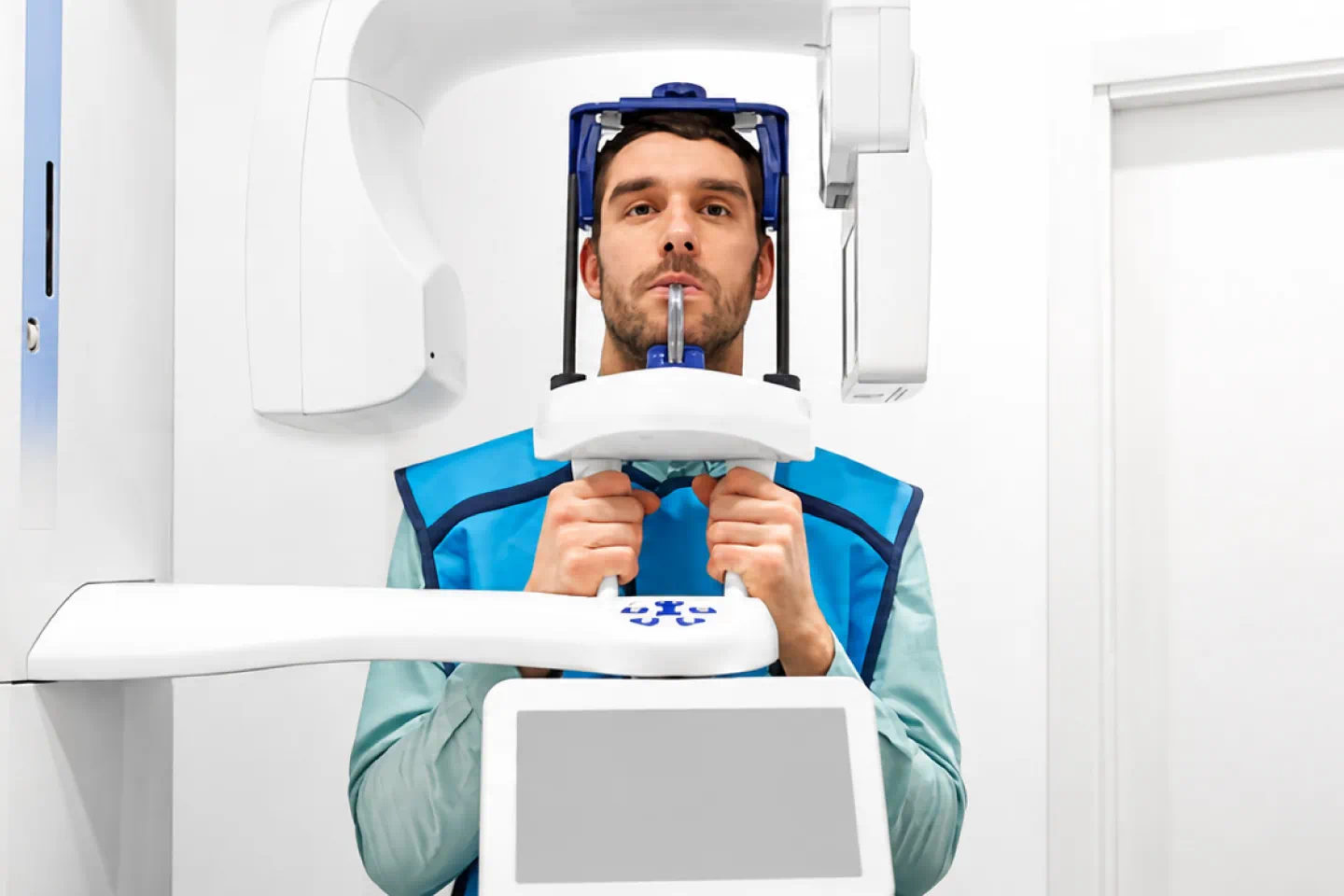
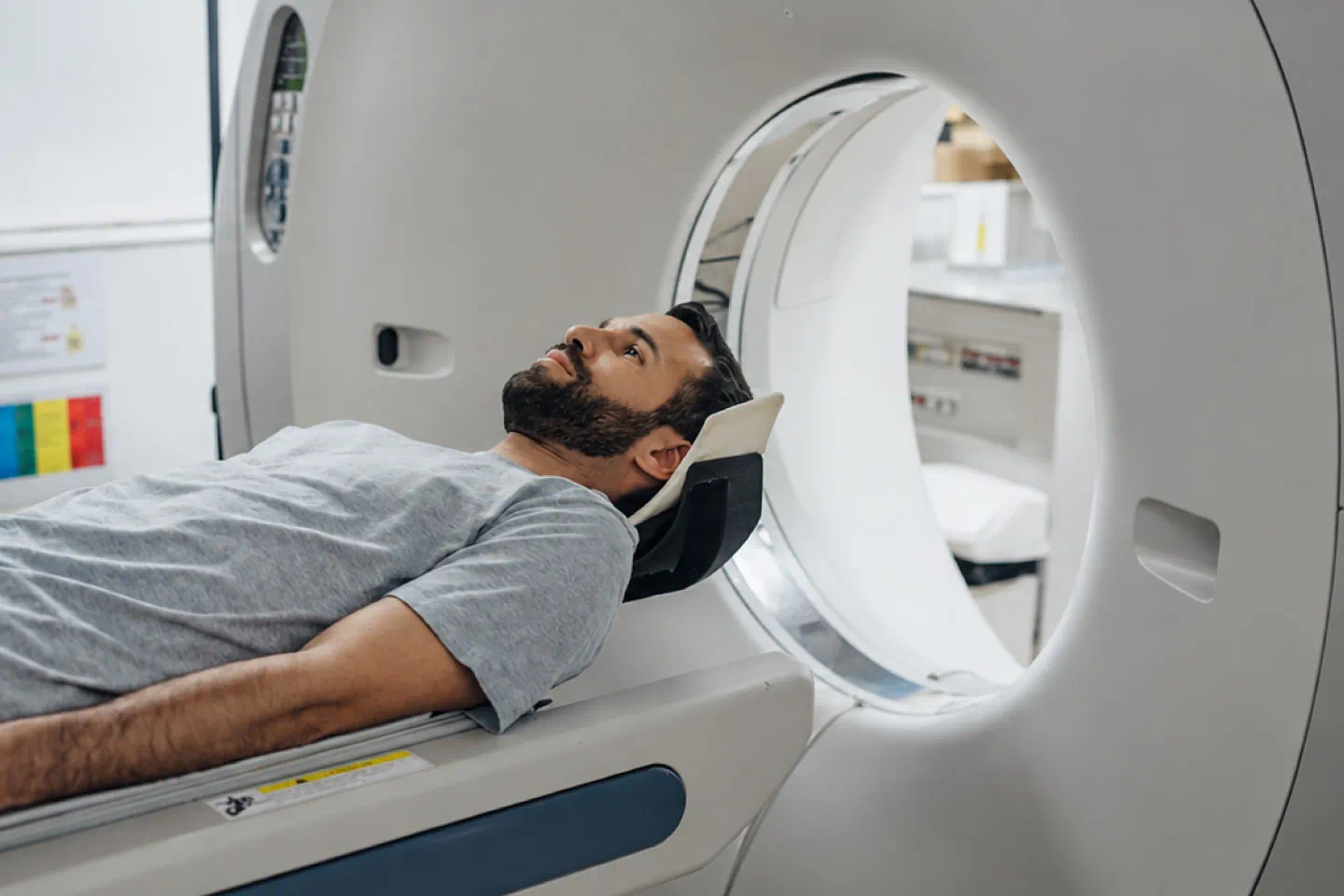

A detailed diagnostic evaluation can help identify what may be contributing to these concerns and guide the next steps in care. At Garv Diagnostic Centre & Hospital, Dr. Vaibhav Kuchhal, ENT specialist, provides comprehensive evaluation and treatment for a wide range of ear, nose, throat, hearing, and balance concerns.
Our services are designed to address different stages of ENT care, from general management and diagnostic evaluation to surgical and advanced endoscopic procedures.
Understanding Diagnostic and Audiology Care
Audiology focuses on assessing hearing and related functions of the auditory system. A hearing concern is not always as simple as needing a hearing aid. Hearing changes can have different causes, including earwax buildup, middle ear problems, age-related changes, exposure to loud sounds, infections, or other conditions affecting the ear.
A proper evaluation helps determine whether hearing loss is present, how significant it may be, and whether one or both ears are affected. Depending on the findings, your ENT specialist may recommend monitoring, medical treatment, further testing, or another appropriate intervention.
Diagnostic services can also be useful when symptoms involve more than hearing. Problems such as dizziness, imbalance, ear pressure, recurrent infections, tinnitus, or unexplained ear discomfort may require a closer assessment to understand their underlying cause.
What Diagnostic Evaluation May Include
The exact evaluation depends on your symptoms, medical history, and examination findings. Your consultation may include a detailed discussion about when your symptoms began, how frequently they occur, and whether they affect your daily activities.
A physical examination of the ears, nose, and throat can provide important information. When appropriate, hearing assessments and other diagnostic tests may be recommended to better understand the condition.
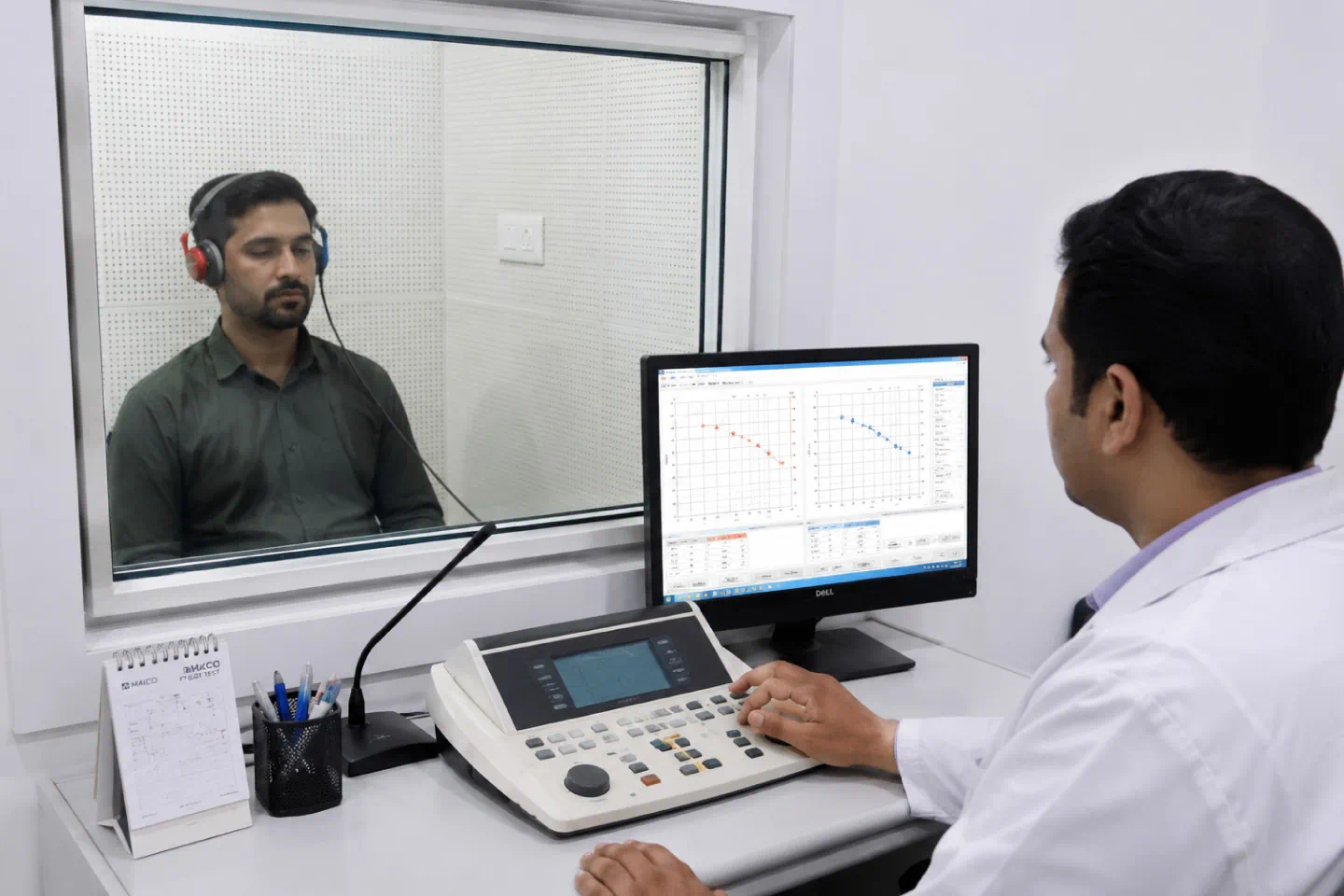
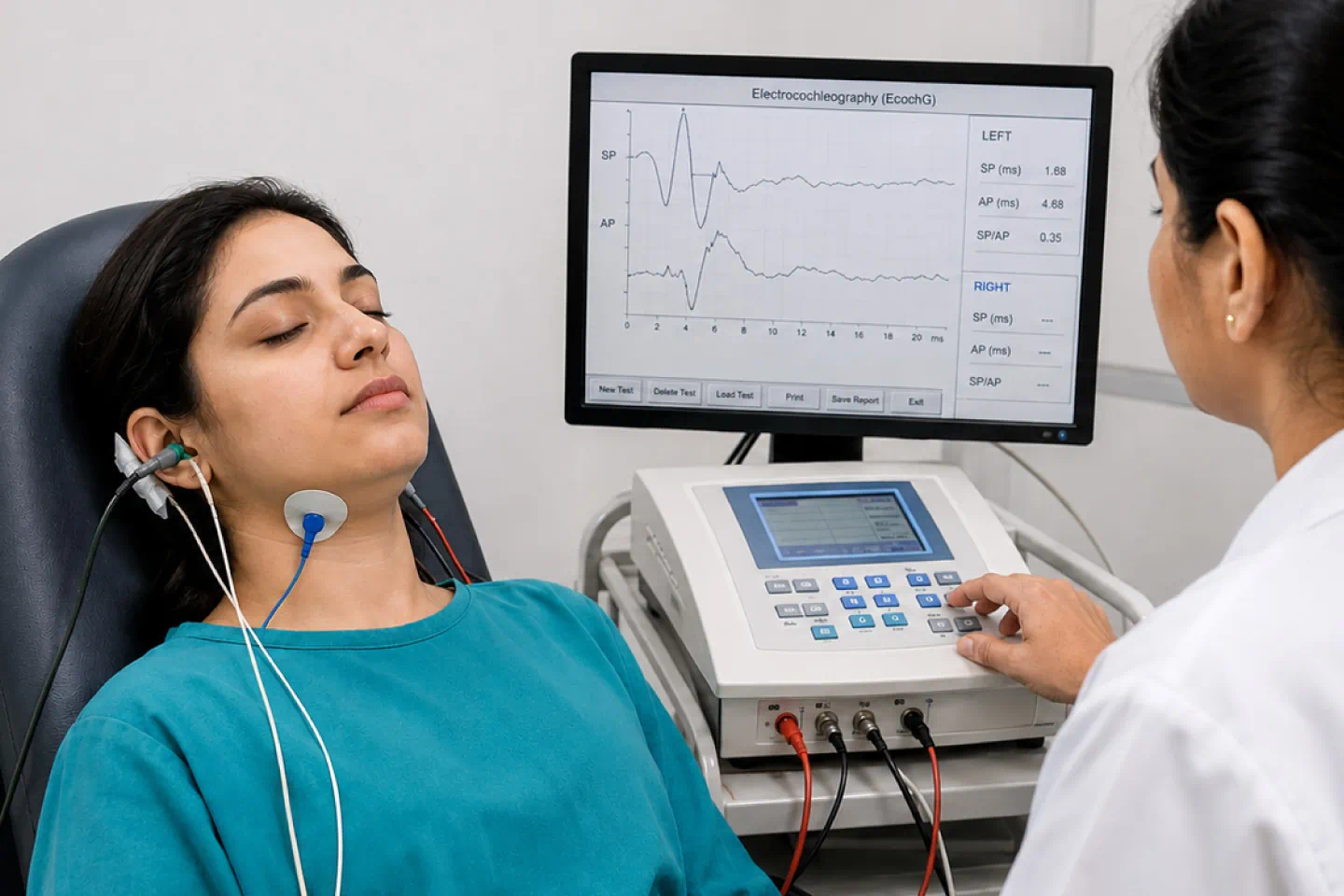
For patients experiencing hearing difficulties, audiological testing can assess how well different sounds are heard and understood. Testing may also help distinguish between different types of hearing loss.
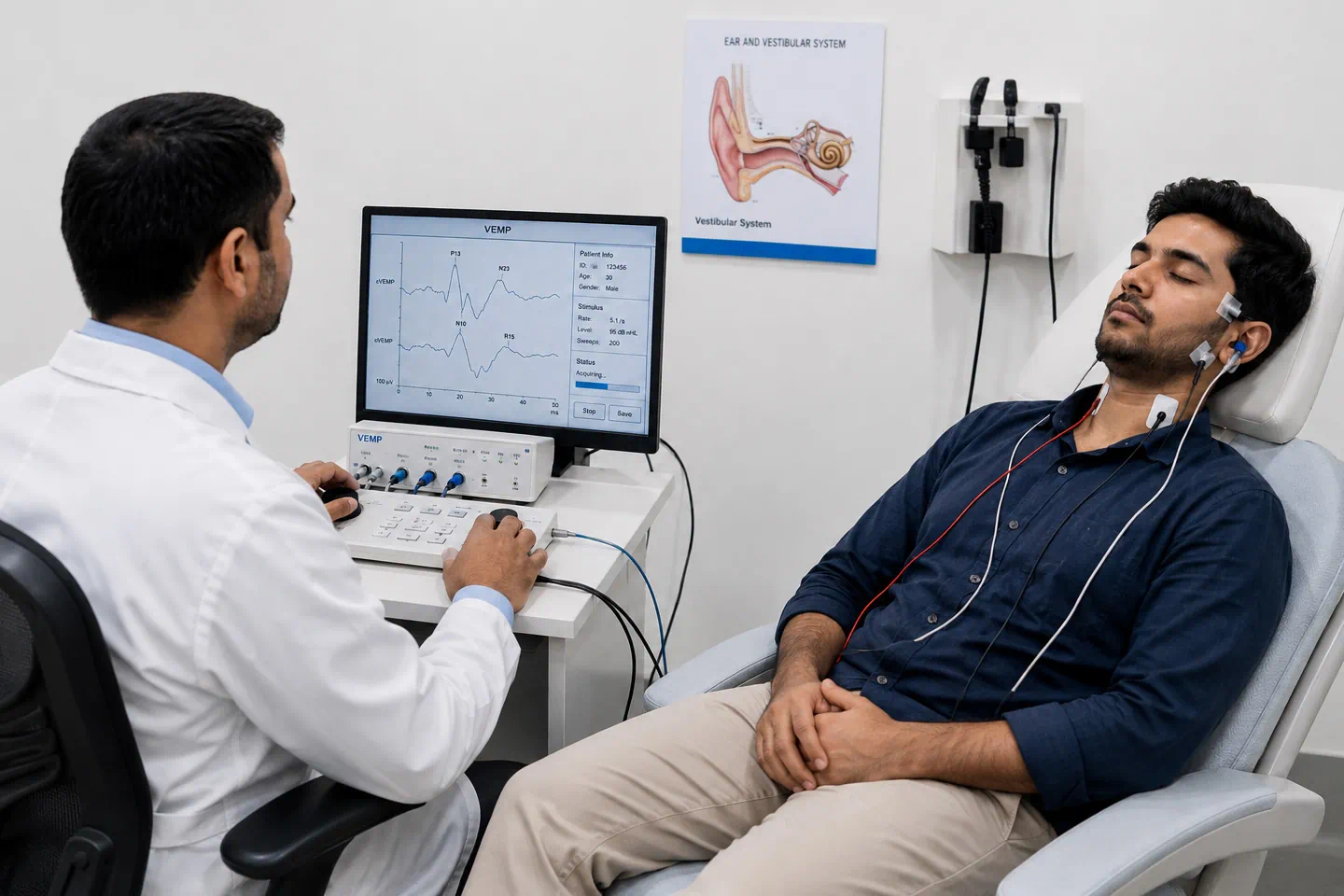
Patients with balance-related symptoms may require additional evaluation depending on their symptoms and clinical findings. Dizziness can have many possible causes, so identifying the pattern and associated symptoms is an important part of the diagnostic process.
General Management
Not every ENT concern requires surgery. Many conditions can be managed with appropriate medical care, observation, lifestyle measures, or regular follow-up.
General management may be recommended for conditions affecting the ears, nose, sinuses, throat, and related structures. Treatment is based on the underlying condition rather than simply addressing the symptom.
For example, recurring ear discomfort may require an examination to determine whether infection, fluid, wax, inflammation, or another issue is responsible. Similarly, persistent nasal symptoms may require evaluation for allergies, sinus problems, structural concerns, or other causes.
The goal is to understand the condition and develop an appropriate treatment approach based on the individual patient's needs.
Surgical Procedures
When conservative treatment does not provide adequate relief or when a structural problem requires correction, surgery may be considered.
ENT surgical procedures can address a variety of conditions involving the ear, nose, throat, and related areas. The decision to recommend surgery depends on factors such as the diagnosis, severity of symptoms, previous treatment, overall health, and expected benefits.
Before recommending a procedure, your doctor can explain the reason for surgery, what the treatment involves, expected recovery, and available alternatives.
Endoscopic and Advanced Procedures
Advances in ENT care have made it possible to evaluate and treat certain conditions using minimally invasive techniques. Endoscopic procedures use a thin instrument with a camera and light to provide a detailed view of areas that can be difficult to examine directly.
These techniques can be particularly useful when evaluating nasal and sinus conditions and other areas within the upper airway. Depending on the condition, endoscopic approaches may assist with both diagnosis and treatment.
Advanced procedures are considered when they are clinically appropriate and may offer advantages based on the patient's specific condition. Your doctor will determine which approach is suitable after a detailed evaluation.
When Should You Consider a Diagnostic Evaluation?
You may benefit from an ENT and audiology evaluation if you experience:
- Persistent or worsening hearing difficulty
- Ringing or other sounds in the ears
- Recurrent ear infections
- A feeling of pressure or fullness in the ear
- Dizziness or balance problems
- Difficulty understanding speech, particularly in noisy environments
- Persistent nasal blockage or sinus symptoms
- Recurring throat or voice concerns
- Symptoms that continue despite previous treatment
A timely assessment does not necessarily mean that a serious condition is present. It simply provides an opportunity to understand persistent symptoms and determine whether further care is needed.
A Personalised Approach to ENT and Hearing Care
Every patient experiences symptoms differently. The same complaint can have different causes, which is why a thorough history, examination, and appropriate diagnostic testing are important before deciding on treatment.
Whether you need general management, diagnostic and audiology services, a surgical procedure, or an advanced endoscopic approach, the treatment plan should be based on your individual condition and clinical findings.
If you have noticed changes in your hearing, balance, breathing, voice, or other ENT symptoms, an evaluation can help provide greater clarity about what may be causing them.
Better ENT Care Starts Here Garv Diagnostic Centre & Hospital
Persistent hearing, ear, balance, nose, or throat symptoms should not simply be ignored. A comprehensive evaluation can help identify possible causes and determine whether medical management, monitoring, diagnostic testing, or another treatment approach is appropriate.
Consult Dr. Vaibhav Kuchhal for personalised ENT evaluation and care based on your symptoms and clinical needs.
Frequently Asked Questions
Q: What does an audiology evaluation check?
A: An audiology evaluation assesses hearing ability and can help determine whether hearing loss is present, its severity, and the type of hearing difficulty involved.
Q: When should I see an ENT specialist for hearing problems?
A: Consider an evaluation if hearing changes persist, worsen, affect conversations, occur with tinnitus, or are accompanied by ear pain, pressure, discharge, or dizziness.
Q: Does every ENT condition require surgery?
A: No. Many ENT conditions can be managed with medical treatment, observation, lifestyle measures, or follow-up. Surgery is considered when it is appropriate for the specific condition.
Q: What are endoscopic ENT procedures?
A: Endoscopic procedures use a thin camera-equipped instrument to provide a detailed view of specific areas. They may be used for diagnosis or treatment depending on the condition.
Q: Can dizziness be related to an ear problem?
A: Yes. Certain inner ear conditions can affect balance and cause dizziness or vertigo. However, dizziness can have several possible causes, so an appropriate evaluation is important.
Q: Should children with hearing concerns undergo evaluation?
A: Yes. Hearing plays an important role in speech, communication, learning, and development. Persistent concerns about a child's hearing should be evaluated by an appropriate healthcare professional.



Office Hours
Mon–Sat: Open 24 Hours
Sun: 8:00 AM–2:00 PM


©2026 | Garv Diagnostic Centre & Hospital | All Rights Reserved | Digital Marketing By Remedo