
Tympanometry
Hearing difficulties are not always caused by a problem with the inner ear. Sometimes, the issue involves the eardrum or the small structures behind it. Fluid, pressure changes, ear infections, or problems with eardrum movement can affect how sound travels through the ear and may lead to hearing difficulties.
Tympanometry is a simple diagnostic test used to assess the function of the middle ear. It measures how the eardrum responds to changes in air pressure and can provide useful information about what may be happening behind the eardrum.
At Garv Diagnostic Centre & Hospital, Dr. Vaibhav Kuchhal, ENT specialist, provides evaluation and management for a range of ear and hearing concerns. When appropriate, tympanometry may be recommended along with other hearing tests to build a clearer picture of a patient's ear health.
What Is Tympanometry?
Tympanometry is an objective test that evaluates the movement of the eardrum and the function of the middle ear.
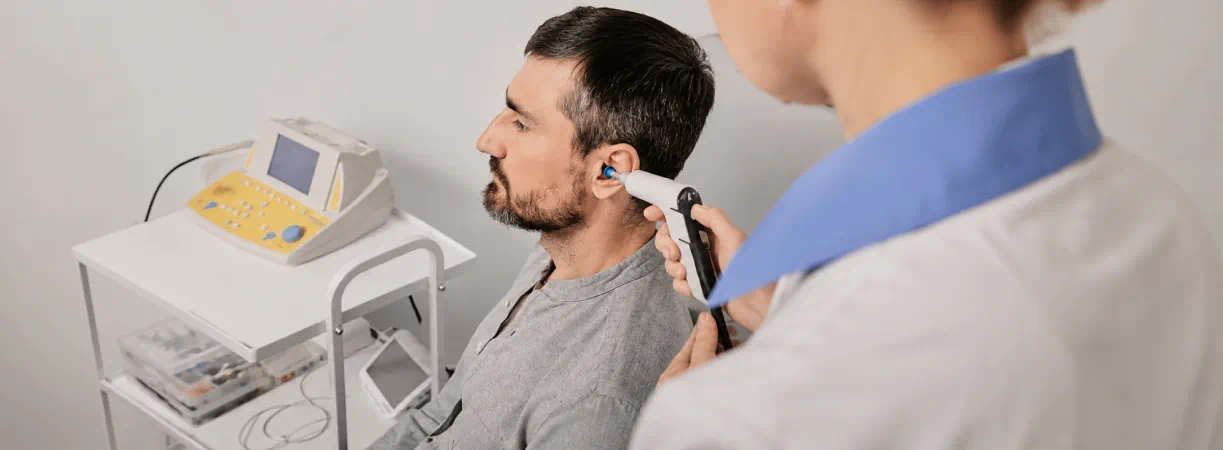
During the test, a small probe is gently placed at the opening of the ear canal. The device changes the air pressure in the ear canal while measuring how the eardrum responds.
The test does not require you to respond to sounds or press a button. Instead, the equipment records the movement of the eardrum automatically.
The results are displayed as a graph called a tympanogram. Your healthcare provider can interpret this pattern along with your symptoms, physical examination, and other hearing test results.
Why Is Tympanometry Performed?
Tympanometry can be useful when a healthcare professional needs more information about middle ear function.
It may be recommended for people experiencing:
- Hearing difficulty
- Ear pain or pressure
- A feeling of fullness in the ear
- Recurrent ear infections
- Fluid behind the eardrum
- Eardrum abnormalities
- Changes in hearing following an ear infection
- Tinnitus or other ear-related symptoms
- Balance or dizziness concerns when an ear problem is suspected
The test may also be used to monitor certain middle ear conditions over time.
What Does Tympanometry Check?
The test provides information about how the eardrum and middle ear respond to pressure. This can help identify patterns that may be associated with problems such as middle ear fluid, reduced eardrum mobility, or abnormal pressure.
The eustachian tube also plays an important role in maintaining appropriate pressure within the middle ear. When it does not function properly, pressure changes can affect the movement of the eardrum and may contribute to symptoms such as ear fullness or muffled hearing.
Tympanometry can provide useful supporting information when these problems are being considered.
What Happens During a Tympanometry Test?
Tympanometry is generally quick and does not involve needles or other invasive procedures.
Before the test, your healthcare provider may examine your ear canal and eardrum to make sure the test can be performed appropriately.
A small probe is then placed gently into the ear canal. The probe creates a seal and briefly changes the air pressure inside the ear canal.
You may notice a sensation of pressure or fullness while the measurement is being taken. You may also hear a series of sounds from the equipment. The process usually takes only a short time for each ear.
You do not need to actively respond during the test. The equipment records the eardrum's response automatically.
Is Tympanometry Painful?
For most people, tympanometry is not painful. You may feel mild pressure or fullness in the ear while the device changes the air pressure.
Children may find the sensation unfamiliar, but the test itself is generally brief. Explaining what will happen beforehand can help children remain comfortable and still during the assessment.
If you experience pain during the procedure, let the healthcare professional know immediately.
Understanding the Tympanogram
After testing, the device produces a graph that represents how the eardrum responded to different pressure levels.
A healthcare professional interprets the shape and measurements of the tympanogram rather than relying on a single number. The findings may suggest normal middle ear function or indicate that further evaluation is appropriate.
A tympanogram should not be interpreted in isolation. Your symptoms, ear examination, hearing test results, and medical history all contribute to understanding the overall picture.
For example, if tympanometry suggests reduced eardrum movement and you also have muffled hearing or a recent history of an ear infection, your ENT specialist may consider whether fluid or another middle ear problem could be contributing to your symptoms.
Tympanometry and Pure Tone Audiometry
Tympanometry and Pure Tone Audiometry assess different aspects of hearing and ear function.
Pure Tone Audiometry measures how softly you can hear different tones. Tympanometry, on the other hand, evaluates the response of the eardrum and middle ear to pressure changes.
Using both tests when clinically appropriate can provide complementary information. One test may help identify a hearing loss pattern, while the other can provide information about middle ear function.
Your ENT specialist can determine which tests are appropriate based on your symptoms and examination.
Tympanometry in Children
Tympanometry can be particularly useful when evaluating children with recurring ear infections, suspected middle ear fluid, or hearing concerns.
Children may experience temporary hearing difficulties when fluid collects behind the eardrum. Because children may not always be able to explain changes in hearing, objective tests such as tympanometry can provide helpful information.
Depending on the child's age and symptoms, tympanometry may be performed along with other hearing assessments.
When Should You Consider Tympanometry?
You may benefit from a middle ear evaluation if you experience persistent ear pressure, muffled hearing, recurrent infections, unexplained hearing changes, or a sensation of fullness in one or both ears.
Parents may also be advised to consider hearing and middle ear testing when a child has repeated ear infections, difficulty responding to sounds, or concerns related to speech and communication.
A timely evaluation can help determine whether symptoms are related to the middle ear or whether another type of assessment is needed.
Take Charge of Your Ear Health At Garv Diagnostic Centre & Hospital
Persistent ear pressure, hearing changes, recurrent infections, or a feeling of fullness should not be ignored. Tympanometry can provide useful information about eardrum movement and middle ear function and may be performed alongside other diagnostic tests when appropriate.
For personalised evaluation of ear and hearing concerns, consult Dr. Vaibhav Kuchhal, ENT specialist, to understand your symptoms and determine which diagnostic approach is appropriate for you.
Frequently Asked Questions
Q: Is tympanometry the same as a hearing test?
A: No. Tympanometry evaluates eardrum movement and middle ear function, while hearing tests such as Pure Tone Audiometry assess how well you hear different sounds.
Q: Does tympanometry hurt?
A: Tympanometry is generally painless. You may briefly feel pressure or fullness in the ear while the test is being performed.
Q: How long does tympanometry take?
A: The test is usually completed within a few minutes, although the overall appointment may take longer if other examinations or hearing tests are needed.
Q: Can tympanometry detect fluid in the ear?
A: Tympanometry can provide findings that may be consistent with fluid or other middle ear problems. Your healthcare provider will interpret the results alongside the ear examination and other findings.
Q: Can children have a tympanometry test?
A: Yes. Tympanometry is commonly used when evaluating children with suspected middle ear problems, recurrent ear infections, or hearing concerns.
Q: What happens if my tympanometry results are abnormal?
A: An abnormal result does not by itself establish a diagnosis. Your ENT specialist may review your symptoms, examine your ears, consider hearing test results, and recommend further evaluation or treatment if needed.



Office Hours
Mon–Sat: Open 24 Hours
Sun: 8:00 AM–2:00 PM


©2026 | Garv Diagnostic Centre & Hospital | All Rights Reserved | Digital Marketing By Remedo