
Hearing Aids and Hearing Rehabilitation Services
Hearing affects far more than how well you hear a conversation. It can influence how confidently you communicate, how easily you participate in social situations, and how comfortable you feel in everyday environments. When hearing gradually becomes difficult, many people adapt without realizing how much effort they are putting into listening.
You may find yourself asking others to repeat themselves, increasing the television volume, avoiding noisy restaurants, or relying more heavily on watching people's faces while they speak. These changes can be frustrating, but appropriate hearing evaluation and rehabilitation can help.
At Garv Diagnostic Centre & Hospital, Dr. Vaibhav Kuchhal, ENT specialist, provides evaluation and guidance for patients experiencing hearing difficulties. Hearing aids and hearing rehabilitation are considered based on the individual's hearing profile, communication needs, lifestyle, and overall ear health.
Understanding Hearing Loss
Hearing loss does not affect everyone in the same way. Some people may struggle to hear high-pitched sounds, while others may have difficulty understanding speech when several people are talking at once. Hearing may also be reduced in one ear or both ears.
Common signs of hearing difficulty include:
- Frequently asking people to repeat themselves
- Difficulty following conversations in noisy places
- Increasing the television or phone volume
- Missing sounds such as doorbells or alarms
- Feeling that people are speaking unclearly
- Difficulty hearing on the telephone
- Withdrawing from conversations because listening feels tiring
These signs do not automatically mean that hearing aids are necessary. A proper hearing assessment is important to understand the type and degree of hearing loss before discussing treatment options.
How Hearing Aids Can Help
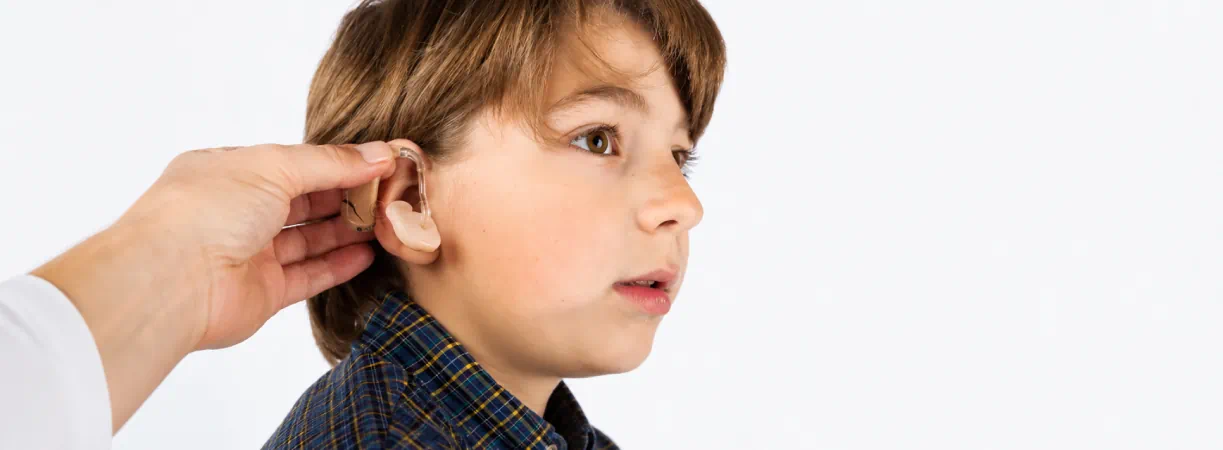
Hearing aids are small electronic devices designed to amplify sounds based on an individual's hearing needs. Modern devices can be adjusted according to the person's hearing profile and may include features designed to support listening in different environments.
The right hearing aid is not simply the most advanced or expensive option. Selection depends on several factors, including the degree of hearing loss, whether one or both ears are affected, daily communication requirements, lifestyle, comfort, and personal preferences.
For someone who regularly attends meetings or spends time in busy social environments, the hearing needs may differ from those of someone who primarily wants to hear conversations at home. Understanding these differences helps guide the choice of an appropriate device.
Why Hearing Evaluation Comes First
Before choosing a hearing aid, it is important to understand why hearing has changed. Hearing difficulties can sometimes be associated with conditions that require medical attention rather than hearing amplification alone.
An ENT evaluation can include an examination of the ears and a review of symptoms and medical history. Audiological testing may then help determine the degree and pattern of hearing loss.
This evaluation can also identify whether additional medical management may be appropriate. For example, symptoms related to earwax, infection, fluid, or certain middle ear conditions may require treatment rather than simply increasing sound through a hearing device.
Getting Used to Hearing Aids
Receiving a hearing aid is not necessarily the end of the process. Your brain may need time to adjust to hearing sounds that have gradually become less familiar.
At first, everyday sounds such as footsteps, clothing movement, background conversations, or household appliances may seem more noticeable. This does not necessarily mean that the device is unsuitable. Gradual use and appropriate adjustment can help make the transition more comfortable.
Your hearing needs may also change depending on where you spend time. A device that feels comfortable at home may require different settings in a busy restaurant, workplace, or outdoor environment.
What Is Hearing Rehabilitation?
Hearing rehabilitation goes beyond providing a hearing device. It focuses on helping individuals make the most of their available hearing and communicate more effectively in daily life.
Depending on individual needs, rehabilitation may involve guidance on using and caring for hearing aids, communication strategies, adapting to different listening environments, and follow-up adjustments.
Communication strategies can be especially helpful in situations where background noise makes conversations difficult. Simple measures such as facing the person speaking, choosing quieter surroundings, reducing background noise, and ensuring good lighting can make communication easier.
For individuals who have lived with hearing loss for a long time, rehabilitation can also help them gradually become more comfortable using hearing technology.
Caring for Your Hearing Aids
Proper care can help maintain the performance and comfort of your hearing devices. Your healthcare team can explain how to clean and handle the device safely and how to store it when it is not being used.
Depending on the device, care may include keeping it away from excess moisture, checking batteries or charging requirements, and following recommended cleaning instructions.
If your hearing aid suddenly seems less effective, produces unusual sounds, or becomes uncomfortable, it may need cleaning, adjustment, or professional assessment.
Hearing Rehabilitation for Different Needs
Hearing rehabilitation is not limited to older adults. People of different ages can experience hearing difficulties for various reasons.
Children and adolescents with hearing concerns may need evaluation because hearing plays an important role in speech, language, learning, and communication. Adults may seek rehabilitation because of age-related hearing changes, noise exposure, ear conditions, or other causes.
The rehabilitation approach should therefore be individualised rather than based solely on age.
When Should You Consider Hearing Assistance?
Consider seeking an evaluation if hearing difficulties are affecting conversations, work, family interactions, or social activities.
You may also benefit from an assessment if you frequently increase the volume on electronic devices, struggle to understand speech in groups, or feel that listening requires significantly more concentration than it used to.
Early evaluation can help identify the cause of hearing difficulty and determine whether hearing aids, medical treatment, monitoring, or rehabilitation may be appropriate.
A Personalised Approach to Better Hearing
Choosing hearing assistance is a personal decision. The goal is not simply to make sounds louder but to support meaningful communication and everyday hearing needs.
An appropriate hearing evaluation, properly selected hearing device, and ongoing rehabilitation can work together to help you adapt to changes in hearing.
If you or a family member is experiencing persistent hearing difficulties, discussing your symptoms with an ENT specialist can be an important first step toward understanding your options.
Supporting Better Hearing and Communication At Garv Diagnostic Centre & Hospital
Hearing difficulties can affect everyday communication, but you do not have to navigate the changes without guidance. A detailed evaluation can help determine what is contributing to your hearing concerns and whether hearing aids or rehabilitation may be appropriate.
For personalised evaluation and hearing care, consult Dr. Vaibhav Kuchhal, ENT specialist, to discuss your symptoms, hearing needs, and available treatment options.
Frequently Asked Questions
Q: Does everyone with hearing loss need a hearing aid?
A: Not necessarily. The need for a hearing aid depends on the type and degree of hearing loss, its impact on daily communication, and the findings of a professional evaluation.
Q: How do I know which hearing aid is right for me?
A: Hearing aid selection depends on your hearing test results, lifestyle, communication needs, comfort preferences, and the environments in which you spend time.
Q: How long does it take to get used to a hearing aid?
A: Adjustment varies from person to person. Some individuals adapt relatively quickly, while others need more time and follow-up adjustments.
Q: Can hearing aids restore normal hearing?
A: Hearing aids amplify and process sound to support hearing. They do not restore normal hearing or eliminate the underlying cause of hearing loss.
Q: Can children use hearing aids?
A: Yes. Hearing devices may be recommended for children with certain types of hearing loss. Early assessment and appropriate hearing support can be important for communication and development.
Q: Do hearing aids require regular maintenance?
A: Yes. Regular cleaning, appropriate storage, battery or charging care, and periodic professional checks can help maintain device performance.



Office Hours
Mon–Sat: Open 24 Hours
Sun: 8:00 AM–2:00 PM


©2026 | Garv Diagnostic Centre & Hospital | All Rights Reserved | Digital Marketing By Remedo