
Surgical Procedures
ENT surgical procedures may be recommended when a condition requires surgical treatment based on the patient’s symptoms, diagnosis, examination findings, and response to other treatment options. Depending on the condition, surgery may be advised to improve function, address structural concerns, remove problematic tissue, or manage conditions that have not responded adequately to non-surgical treatments.
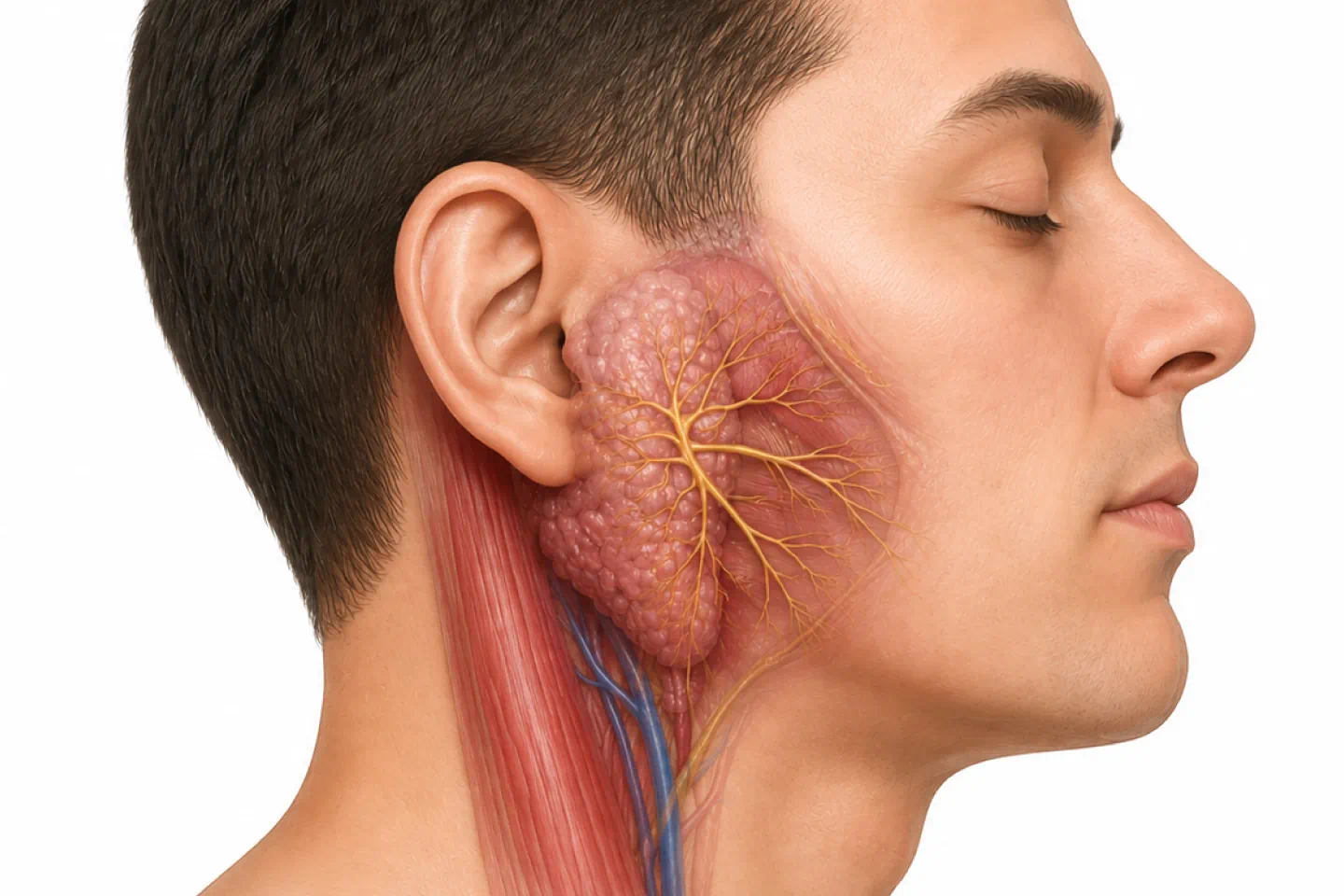
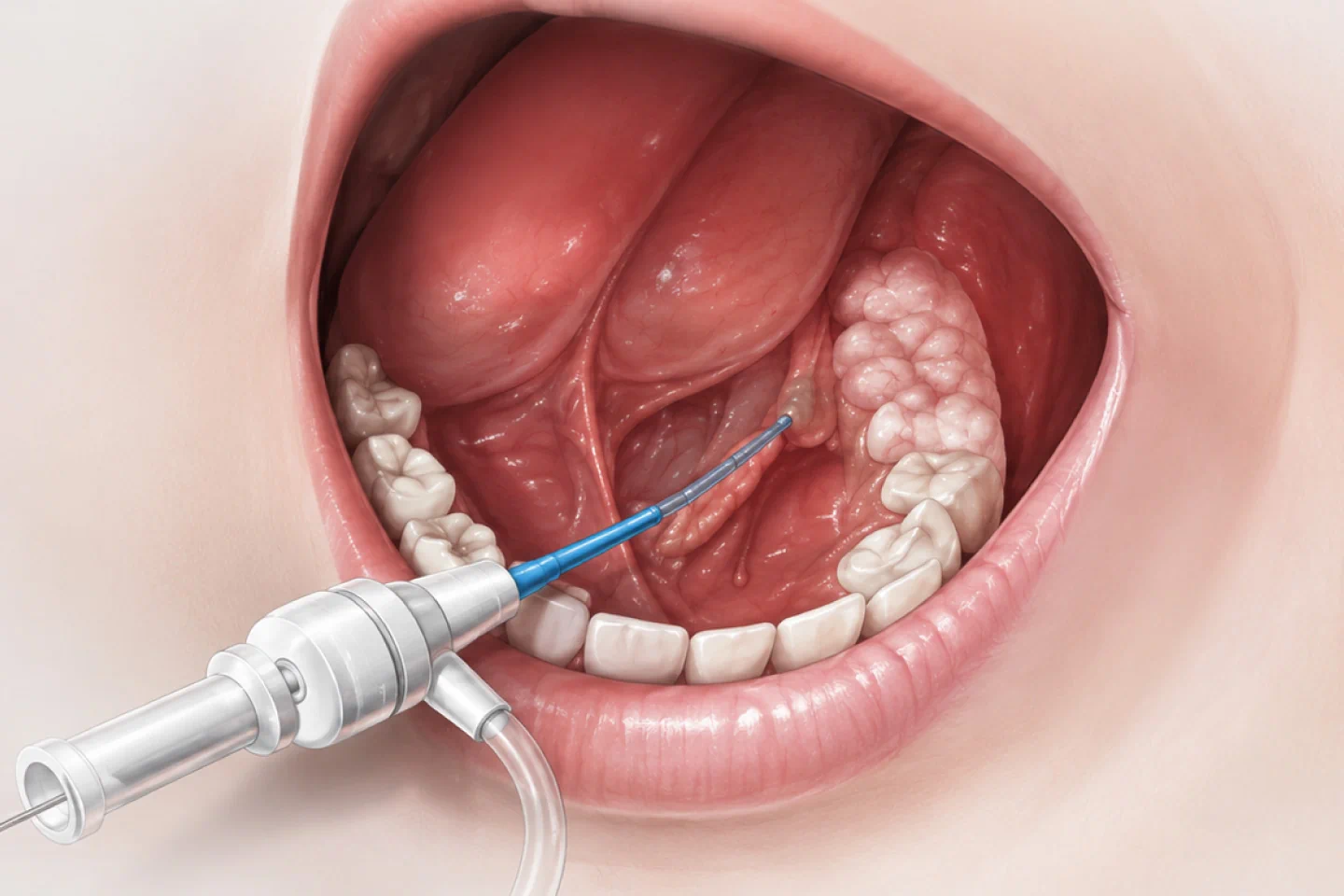

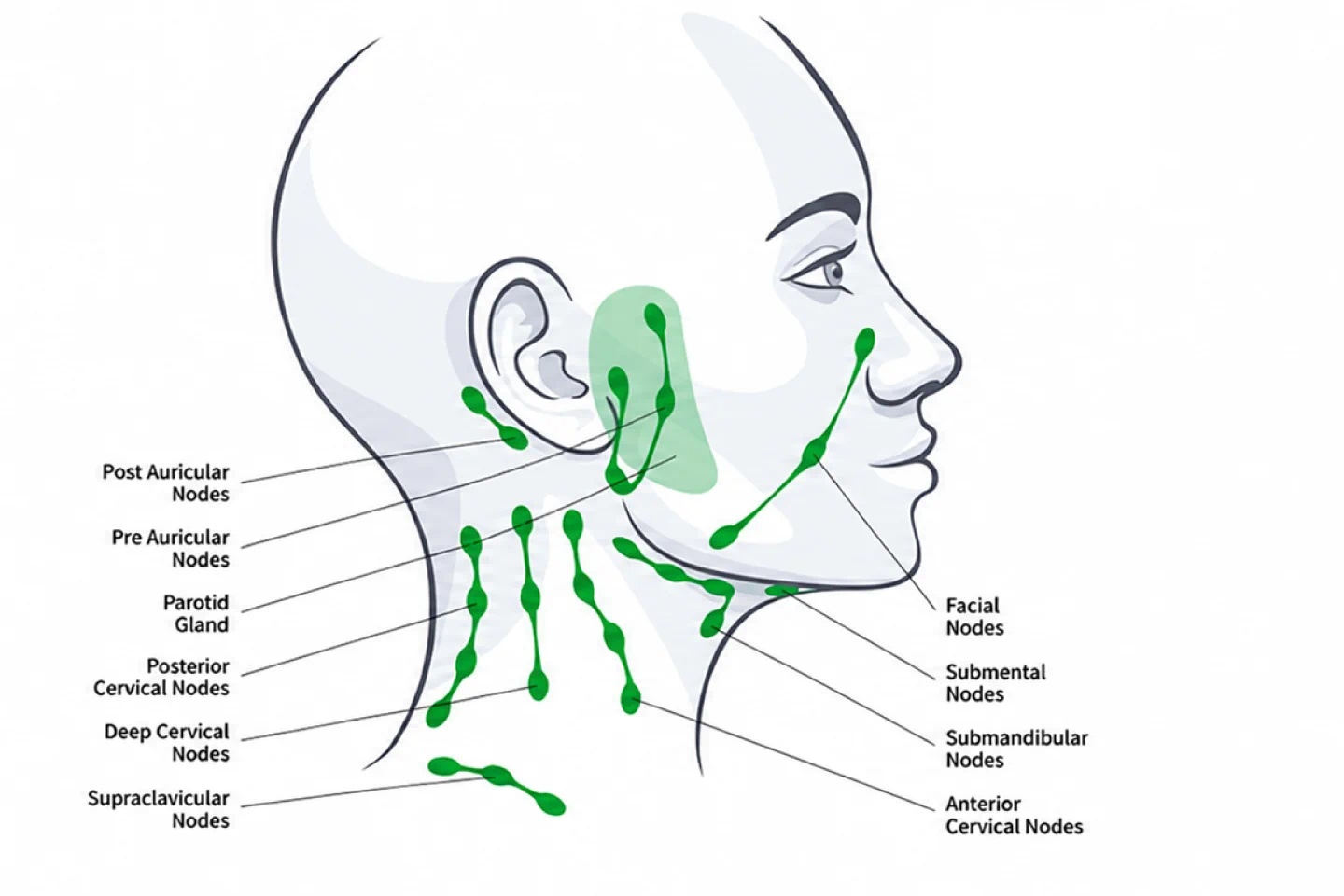



At Garv Diagnostic Centre & Hospital, Dr. Vaibhav Kuchhal, ENT Specialist, provides evaluation and management of conditions that may require surgical treatment. Each procedure is considered based on the patient's individual diagnosis, medical history, clinical findings, and treatment requirements.
What Are ENT Surgical Procedures?
ENT surgery refers to a range of procedures used to treat conditions affecting the ear, nose, throat, and related structures. Depending on the condition, surgery may be performed using conventional surgical techniques, minimally invasive approaches, or endoscopic methods.
Surgical treatment may be considered when:
- Symptoms persist despite appropriate medical treatment
- A structural problem affects normal function
- Recurrent problems significantly affect daily life
- An abnormality requires surgical assessment or treatment
- A condition requires removal, repair, or reconstruction of affected tissue
- Other treatment options have not provided adequate improvement
The appropriate surgical approach depends on the patient's condition and clinical requirements.
When Is ENT Surgery Recommended?
Not every ENT condition requires surgery. Your ENT specialist will first assess your symptoms and determine whether conservative treatment, further investigation, or surgical management is appropriate.
Surgical treatment may be considered for conditions associated with:
- Persistent nasal obstruction
- Recurrent throat or airway problems
- Structural abnormalities of the nose
- Chronic or recurring sinus symptoms
- Certain middle or inner ear conditions
- Hearing-related structural problems
- Recurrent ear infections or fluid-related problems
- Other conditions requiring surgical management
The decision to proceed with surgery is made after considering the patient's symptoms, examination findings, investigations, medical history, and overall health.
How Is ENT Surgery Planned?
Before recommending surgery, Dr. Vaibhav Kuchhal evaluates the patient's symptoms and performs an appropriate ENT examination. Depending on the condition, further investigations may be required.
These may include:
- Endoscopic examinations
- Imaging studies
- Hearing assessments
- Laboratory investigations
- Other condition-specific diagnostic tests
The findings help determine whether surgery is appropriate and which surgical approach may be suitable.
Before the procedure, the doctor explains the purpose of surgery, expected outcomes, possible risks, anaesthesia requirements, recovery process, and follow-up care.
What Happens Before Surgery?
Preparation depends on the type of procedure and the patient's individual medical circumstances.
You may be given instructions regarding:
- Eating and drinking before surgery
- Regular medications
- Medicines that may need to be adjusted
- Required investigations
- Existing medical conditions
- Allergies
- Previous surgeries
- Previous reactions to anaesthesia
It is important to provide your doctor with complete and accurate medical information before surgery.
What Happens During ENT Surgery?
The surgical process varies according to the condition being treated and the procedure being performed.
Depending on the procedure, the surgeon may use specialised instruments, magnification, endoscopic equipment, or other surgical techniques to access and treat the affected area.
The surgical team monitors the patient throughout the procedure. Once the surgery is completed, the patient is moved to a recovery area for observation and post-operative care.
What Can You Expect After Surgery?
Recovery depends on the type of surgery, the area treated, and the patient's individual health.
Some patients may experience temporary discomfort, swelling, congestion, tiredness, changes in hearing or voice, or other symptoms related to the specific procedure.
Your doctor will provide personalised instructions regarding:
- Medication
- Diet and fluid intake
- Activity restrictions
- Wound or surgical-site care
- Nasal or ear care where required
- Follow-up appointments
- Warning signs that require medical attention
Following these instructions can support appropriate recovery and help the medical team monitor your progress.
Possible Risks and Complications
As with any surgical procedure, ENT surgery may involve certain risks. The potential complications depend on the procedure being performed, the area treated, and the patient's overall health.
Possible risks may include:
- Pain or discomfort
- Bleeding
- Infection
- Swelling
- Temporary changes in normal function
- Delayed healing
- Anaesthesia-related complications
- Need for additional treatment
- Persistence or recurrence of the underlying condition
Your doctor will discuss the risks and benefits relevant to your particular procedure before treatment.
Choosing the Appropriate Surgical Approach
Different ENT conditions require different surgical approaches. The choice of procedure is not based on symptoms alone.
The ENT specialist considers the patient's diagnosis, anatomy, medical history, previous treatment, investigation results, and overall treatment requirements before recommending surgery.
In some cases, a minimally invasive or endoscopic approach may be suitable. In other situations, a different surgical technique may be more appropriate.
The recommended treatment is discussed with the patient before proceeding.
When Should You See an ENT Specialist?
An ENT consultation may be appropriate if you have persistent or recurring symptoms involving your ears, nose, throat, sinuses, or related structures.
Consider seeking specialist assessment for concerns such as:
- Ongoing nasal blockage
- Recurrent sinus or throat problems
- Frequent ear infections
- Persistent hearing difficulties
- Breathing problems
- Recurrent problems affecting sleep or daily activities
- Symptoms that have not improved with prescribed treatment
A specialist evaluation can help identify the underlying cause and determine whether surgical or non-surgical treatment is appropriate.
Consult an ENT Specialist at Garv Diagnostic Centre & Hospital
If you have an ENT condition that may require surgical management, Dr. Vaibhav Kuchhal, ENT Specialist at Garv Diagnostic Centre & Hospital, can evaluate your symptoms and discuss appropriate treatment options.
The recommended approach is based on your individual diagnosis, examination findings, medical history, and treatment needs.
Contact Garv Diagnostic Centre & Hospital to schedule an ENT consultation and discuss whether surgical treatment may be appropriate for your condition.
Frequently Asked Questions
Q: Does every ENT condition require surgery?
A: No. Many ENT conditions can be managed with medication, observation, or other non-surgical approaches. Surgery is considered when it is clinically appropriate.
Q: How does an ENT specialist decide whether surgery is needed?
A: The decision is based on your symptoms, diagnosis, examination findings, medical history, investigation results, and response to previous treatment.
Q: Will I need general anaesthesia for ENT surgery?
A: The type of anaesthesia depends on the specific procedure and your individual circumstances. Your doctor will explain the planned anaesthesia before surgery.
Q: How long does recovery take after ENT surgery?
A: Recovery varies depending on the procedure and the individual patient. Your doctor will provide specific guidance about recovery, activity, medication, and follow-up.
Q: What should I tell my ENT specialist before surgery?
A: Tell your doctor about your medical conditions, medications, allergies, previous surgeries, previous reactions to anaesthesia, and any other relevant health information.



Office Hours
Mon–Sat: Open 24 Hours
Sun: 8:00 AM–2:00 PM


©2026 | Garv Diagnostic Centre & Hospital | All Rights Reserved | Digital Marketing By Remedo