
Excision of Head and Neck Cysts and Tumours
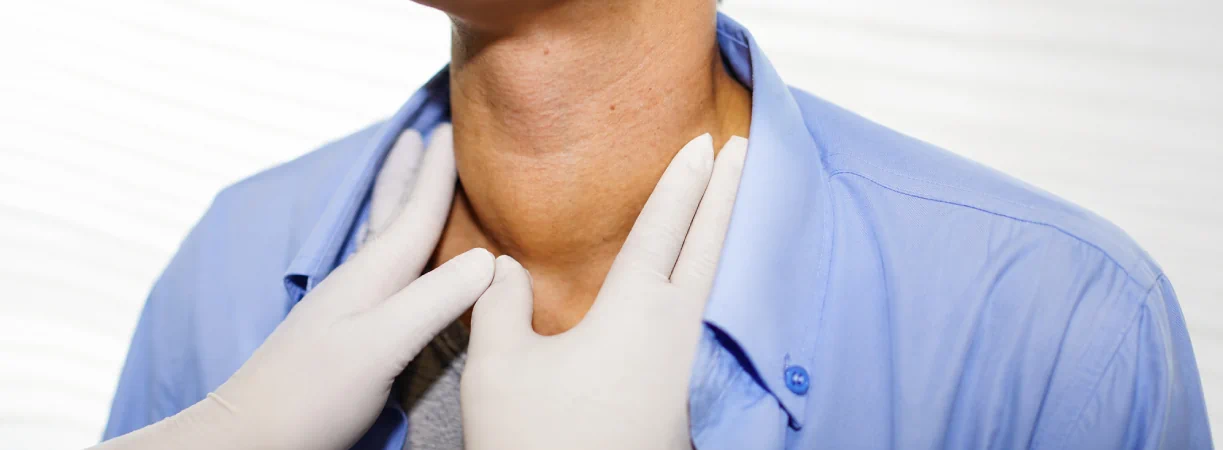
Cysts, lumps, and tumours can develop in different areas of the head and neck, including the skin, salivary glands, thyroid region, lymph nodes, and deeper tissues.
Some are benign, while others may be malignant or require further investigation. When a cyst or tumour needs to be removed, surgical excision may be recommended.
At Garv Diagnostic Centre & Hospital, patients can undergo appropriate evaluation to determine the nature and location of a head or neck lesion and whether surgical removal is appropriate.
What Are Head and Neck Cysts and Tumours?
A cyst is generally a sac-like structure that may contain fluid, air, or other material.
A tumour is an abnormal growth of cells. Tumours can be benign or malignant.
Head and neck lumps can arise from many different tissues. Examples include:
- Salivary gland lumps
- Thyroid nodules
- Neck cysts
- Lymph node enlargements
- Skin and soft-tissue growths
- Congenital cysts
- Benign tumours
- Malignant tumours
The appearance of a lump alone cannot determine whether it is cancerous.
When Is Surgical Excision Recommended?
Surgery may be recommended when a lesion:
- Continues to grow
- Causes pain or pressure
- Interferes with swallowing, breathing, or movement
- Becomes repeatedly infected
- Has features requiring further diagnosis
- Is suspected or confirmed to be malignant
- Causes functional or cosmetic concerns
- Cannot be adequately treated through other approaches
The decision depends on the location, size, symptoms, imaging findings, and suspected diagnosis.
How Are Head and Neck Lumps Evaluated?
Your doctor may begin with a detailed medical history and physical examination.
Depending on the location and characteristics of the lump, additional tests may include:
- Ultrasound
- CT scan
- MRI
- Fine-needle aspiration or other tissue sampling
- Endoscopic examination
- Blood tests
- Additional pathology investigations
The goal is to understand what the lump is and whether it requires surgical treatment.
What Does Excision Involve?
The surgical technique depends on where the lesion is located.
During the procedure, the surgeon makes an incision that provides access to the cyst or tumour. The abnormal tissue is carefully separated from surrounding structures and removed.
For some lesions, surrounding tissue may also need to be removed to achieve appropriate surgical margins. This is particularly relevant when cancer is suspected or confirmed.
The removed tissue may be sent to a pathology laboratory for microscopic examination. The pathology report helps establish the final diagnosis and determine whether further treatment is needed.
What About Cysts in the Neck?
Some neck cysts can be congenital and may remain unnoticed until adulthood. Others can develop as a result of infection or other conditions.
A new or persistent neck lump should be assessed because different conditions can appear similar externally.
Treatment depends on the diagnosis. Some cysts may be monitored, while others may require complete surgical excision, particularly if they are repeatedly infected, symptomatic, or require definitive diagnosis.
Recovery After Excision
Recovery depends on the size and location of the lesion and the extent of surgery.
You may experience:
- Swelling
- Mild pain or tenderness
- Temporary numbness
- Bruising
- Tightness around the incision
- A surgical scar
Your doctor will provide instructions about wound care, activity restrictions, medications, and follow-up.
If the lesion has been sent for pathology, your doctor will discuss the findings once the report is available.
Possible Risks and Complications
Potential complications vary depending on the surgical site and may include:
- Bleeding
- Infection
- Scarring
- Nerve injury
- Damage to nearby blood vessels or structures
- Fluid collection
- Recurrence
- Need for additional treatment
The risks should be discussed with your surgeon before the procedure.
Get a Persistent Head or Neck Lump Evaluated
A lump that persists, enlarges, becomes painful, or is associated with swallowing, voice, or breathing changes should be assessed by a healthcare professional.
Contact Garv Diagnostic Centre & Hospital to arrange an evaluation of a head or neck cyst, lump, or tumour and discuss whether surgical excision is appropriate.
Frequently Asked Questions
Q: Does every neck lump need to be removed?
A: No. Some lumps can be monitored or treated using other approaches. Evaluation is important before deciding whether surgery is necessary.
Q: Does a neck lump mean cancer?
A: No. Head and neck lumps can have many causes, including benign cysts, infections, enlarged lymph nodes, and non-cancerous tumours. A medical evaluation is needed to determine the cause.
Q: Will the removed tissue be tested?
A: When appropriate, the tissue is sent to a pathology laboratory for examination. This can help establish the diagnosis.
Q: Will excision leave a scar?
A: Any skin incision can leave a scar. The final appearance depends on the location, size of the incision, healing process, and individual factors.
Q: How long does recovery take?
A: Recovery varies according to the location and extent of the procedure. Your surgeon will explain the expected recovery period for your specific operation.



Office Hours
Mon–Sat: Open 24 Hours
Sun: 8:00 AM–2:00 PM


©2026 | Garv Diagnostic Centre & Hospital | All Rights Reserved | Digital Marketing By Remedo