
Management of Snoring and Obstructive Sleep Apnoea Surgeries
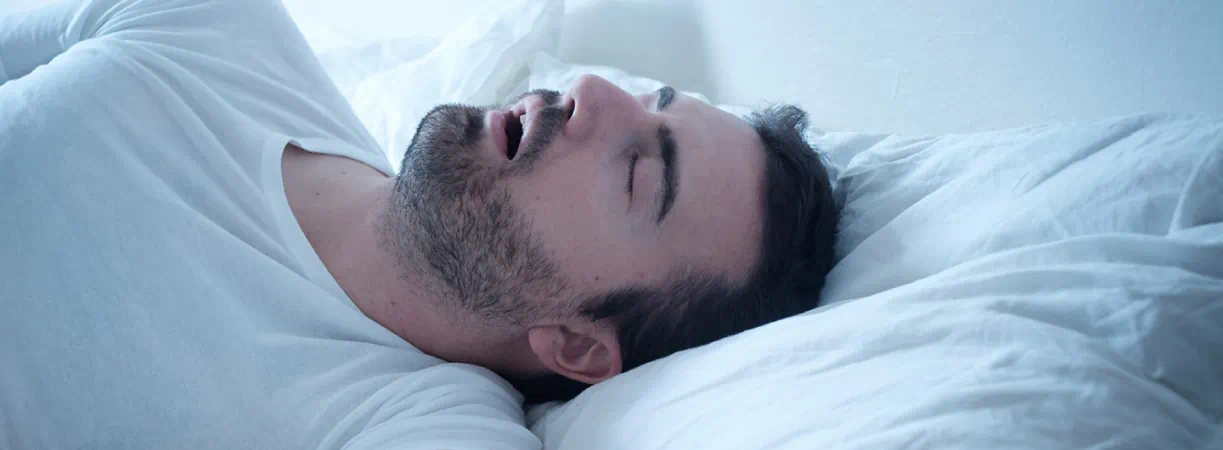
Snoring is common, but loud or persistent snoring can sometimes be associated with obstructive sleep apnoea (OSA), a condition in which the upper airway repeatedly becomes narrowed or blocked during sleep.
Obstructive sleep apnoea can cause interrupted breathing, fragmented sleep, daytime sleepiness, and other health concerns. Appropriate diagnosis is important before deciding on treatment.
At Garv Diagnostic Centre & Hospital, patients with snoring or suspected sleep-related breathing problems can undergo evaluation to determine the underlying cause and discuss appropriate treatment options, including surgery when clinically indicated.
What Is Obstructive Sleep Apnoea?
Obstructive sleep apnoea occurs when the upper airway becomes partially or completely blocked during sleep, causing repeated interruptions in breathing.
Common symptoms include:
- Loud snoring
- Breathing pauses noticed during sleep
- Gasping or choking during sleep
- Morning headaches
- Dry mouth on waking
- Poor-quality sleep
- Difficulty concentrating
- Excessive daytime sleepiness
Not everyone who snores has OSA. However, snoring accompanied by breathing pauses, choking, or significant daytime sleepiness warrants medical assessment.
How Is Sleep Apnoea Diagnosed?
A diagnosis of OSA should be based on an appropriate sleep evaluation and objective testing.
Depending on the individual, testing may be performed at home or in a sleep centre. Sleep studies monitor factors such as breathing and heart rate during sleep and help determine whether sleep apnoea is present and how severe it is.
A physical examination of the nose, mouth, throat, and upper airway may also be performed.
When Is Surgery Considered?
Surgery is not automatically the first treatment for obstructive sleep apnoea.
Treatment may include lifestyle changes, positive airway pressure therapy such as CPAP, oral appliances, or other approaches depending on the diagnosis.
The American Academy of Sleep Medicine recommends discussing surgical consultation in selected adults who cannot tolerate or do not accept PAP therapy, have persistent problems with PAP adherence, or have anatomical abnormalities that may be suitable for surgery.
The appropriate treatment should therefore be determined after assessment rather than based on snoring alone.
What Types of Surgery May Be Considered?
The surgical approach depends on the location of airway obstruction.
Depending on the patient, procedures may involve:
- Tonsil surgery when enlarged tonsils contribute to obstruction
- Procedures addressing the soft palate
- Nasal surgery when nasal obstruction contributes to breathing problems
- Procedures targeting other areas of the upper airway
- Multilevel surgery when obstruction occurs at more than one level
The specific procedure should be selected after anatomical assessment and discussion of potential benefits, risks, and alternatives.
Surgery for Snoring Without Sleep Apnoea
Simple snoring is not the same as obstructive sleep apnoea.
Snoring occurs when tissues in the nose, mouth, or throat vibrate as air passes through a narrowed airway during sleep. Lifestyle measures and non-surgical treatments may be considered first.
Surgery may be considered in selected patients when other measures have not adequately addressed the problem, but it does not always eliminate snoring and snoring can recur.
What Happens Before Sleep Apnoea Surgery?
Before considering surgery, the medical team may assess:
- Sleep study results
- Severity of OSA
- Symptoms
- Body weight and general health
- Nasal airway
- Tonsils
- Soft palate
- Tongue and throat anatomy
- Previous treatment such as CPAP
- Other medical conditions
A detailed anatomical assessment helps determine whether there is a surgically treatable site of obstruction.
Recovery After Surgery
Recovery depends on the procedure performed.
Patients may experience:
- Sore throat
- Nasal discomfort or congestion after nasal procedures
- Swelling
- Difficulty swallowing temporarily
- Changes in the voice or sensation in the throat
- Fatigue during recovery
Your doctor will provide specific instructions regarding diet, medication, activity, and follow-up.
OSA treatment also requires follow-up because symptoms can persist or recur after treatment. Objective reassessment may be appropriate depending on the procedure and clinical situation.
Possible Risks and Complications
Surgical risks depend on the specific procedure but may include:
- Bleeding
- Infection
- Pain
- Swelling
- Difficulty swallowing
- Voice changes
- Anaesthesia-related complications
- Persistent or recurrent snoring
- Persistent or recurrent sleep apnoea
Your doctor will discuss the risks and potential benefits of the recommended procedure before surgery.
Get Snoring and Sleep Apnoea Evaluated
Persistent loud snoring, witnessed pauses in breathing, nighttime choking or gasping, and excessive daytime sleepiness should not be dismissed as simply a sleeping habit.
At Garv Diagnostic Centre & Hospital, patients can undergo evaluation for snoring and suspected obstructive sleep apnoea and discuss non-surgical and surgical treatment options based on their individual condition.
Contact Garv Diagnostic Centre & Hospital to schedule an evaluation and take the next step toward understanding your sleep-related breathing symptoms.
Frequently Asked Questions
Q: Is snoring always a sign of sleep apnoea?
A: No. Many people snore without having OSA. However, snoring accompanied by pauses in breathing, gasping, choking, or excessive daytime sleepiness should be assessed.
Q: Is surgery the first treatment for sleep apnoea?
A: Not usually. Treatment depends on the severity and cause of OSA. PAP therapy is an important treatment option, and surgery may be considered in selected patients.
Q: Can surgery cure obstructive sleep apnoea?
A: Surgery can improve OSA in appropriately selected patients, but it does not guarantee complete resolution. Follow-up is important to determine whether sleep apnoea remains after treatment.
Q: Do I need a sleep study before surgery?
A: An objective sleep evaluation is generally important when OSA is suspected or being treated surgically because it establishes whether OSA is present and helps determine its severity.
Q: Can snoring return after surgery?
A: Yes. Snoring can persist or return after treatment, depending on the underlying anatomy and other factors.
Q: Can children have obstructive sleep apnoea?
A: Yes. Children can develop OSA, and enlarged tonsils or adenoids are among possible contributing factors. Evaluation and treatment in children require age-appropriate assessment.



Office Hours
Mon–Sat: Open 24 Hours
Sun: 8:00 AM–2:00 PM


©2026 | Garv Diagnostic Centre & Hospital | All Rights Reserved | Digital Marketing By Remedo