
Neck Dissection
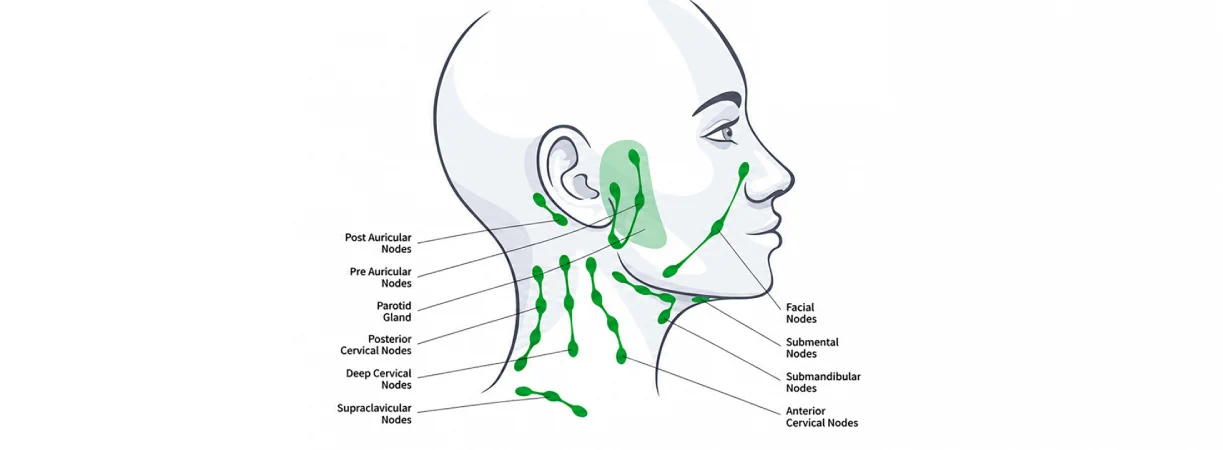
A neck dissection is a surgical procedure used to remove lymph nodes and, when necessary, nearby tissues from the neck. It is most commonly performed as part of treatment for certain head and neck cancers or when there is a significant concern that cancer may have spread to the lymph nodes.
Lymph nodes are small structures that form part of the body's lymphatic system. Cancer cells from head and neck cancers can sometimes spread to nearby lymph nodes, making evaluation and treatment of these nodes an important part of cancer care.
At Garv Diagnostic Centre & Hospital, neck dissection may be considered as part of an individualised treatment plan when clinically indicated.
What Is a Neck Dissection?
Neck dissection involves surgically removing some or many of the lymph nodes from one or both sides of the neck.
The amount of tissue removed depends on:
- The type and location of the cancer
- Whether lymph nodes are known to contain cancer
- The number and size of affected lymph nodes
- Imaging and other test results
- Whether nearby structures are involved
Not every person with head and neck cancer requires a neck dissection. The potential benefits and risks are considered before surgery.
Types of Neck Dissection
Selective Neck Dissection
Only lymph nodes from selected areas considered relevant to the cancer are removed.
Modified Radical Neck Dissection
Most lymph nodes on one side of the neck may be removed, while certain important structures are preserved when possible.
Radical Neck Dissection
A more extensive operation in which most lymph nodes on one side of the neck are removed along with certain nearby structures, which can include the sternocleidomastoid muscle, accessory nerve, and internal jugular vein.
The type of neck dissection depends on the individual cancer and surgical requirements.
Why Is Neck Dissection Performed?
A neck dissection may be recommended when:
- Cancer has been confirmed in neck lymph nodes
- Imaging suggests lymph node involvement
- There is a significant risk of lymph node spread
- Lymph nodes need to be examined for staging
- Cancer has returned in lymph nodes after previous treatment
The removed lymph nodes are examined by a pathologist. The findings can help determine the stage of the disease and guide additional treatment decisions.
How Is Neck Dissection Performed?
Neck dissection is generally performed under general anaesthesia.
The surgeon makes an incision in the neck to access the lymph node groups and surrounding structures.
Depending on the planned procedure, selected lymph nodes or more extensive groups may be removed. When possible, important nerves, blood vessels, and muscles are preserved.
A temporary drain may be placed to remove fluid or blood from the surgical area.
The exact surgical approach varies according to the location and extent of disease.
Recovery After Neck Dissection
Recovery varies depending on the type of neck dissection and whether it is performed together with another head or neck operation.
Some patients experience:
- Neck stiffness
- Swelling
- Numbness
- Tightness around the incision
- Shoulder discomfort or weakness
- Difficulty moving the neck initially
Physiotherapy and specific exercises may be recommended when shoulder or neck movement is affected.
The accessory nerve plays an important role in shoulder movement. If it is affected or removed during surgery, shoulder stiffness and reduced movement can occur.
Possible Risks and Complications
Potential complications include:
- Bleeding
- Infection
- Fluid collection
- Numbness
- Shoulder weakness
- Nerve injury
- Blood vessel injury
- Swelling or lymphoedema
- Scar formation
- Problems with wound healing
The specific risks depend on the type and extent of surgery.
Discuss Head and Neck Surgical Care
When cancer involves or may involve lymph nodes in the neck, appropriate assessment is important for treatment planning.
If your doctor has recommended a neck dissection, Garv Diagnostic Centre & Hospital can help you understand the procedure, preparation, potential risks, pathology evaluation, and follow-up involved.
Contact Garv Diagnostic Centre & Hospital to schedule a consultation and discuss your head and neck surgical treatment plan.
Frequently Asked Questions
Q: Does every head and neck cancer require neck dissection?
A: No. The need for neck dissection depends on the type of cancer, risk of lymph node involvement, imaging findings, and the overall treatment plan.
Q: Are all the lymph nodes in the neck removed?
A: Not always. A selective neck dissection removes lymph nodes from specific areas, while more extensive procedures remove larger groups.
Q: Is neck dissection painful?
A: The procedure is performed under anaesthesia. Some pain, tightness, stiffness, or numbness can occur during recovery and can usually be managed according to your doctor's instructions.
Q: Can neck dissection affect shoulder movement?
A: It can, particularly when the accessory nerve is affected or removed. Physiotherapy may be recommended to support recovery of movement.
Q: How long does recovery take?
A: Recovery depends on the extent of surgery and whether other procedures are performed at the same time. Your surgical team will provide individualised guidance.



Office Hours
Mon–Sat: Open 24 Hours
Sun: 8:00 AM–2:00 PM


©2026 | Garv Diagnostic Centre & Hospital | All Rights Reserved | Digital Marketing By Remedo