
Tracheostomy
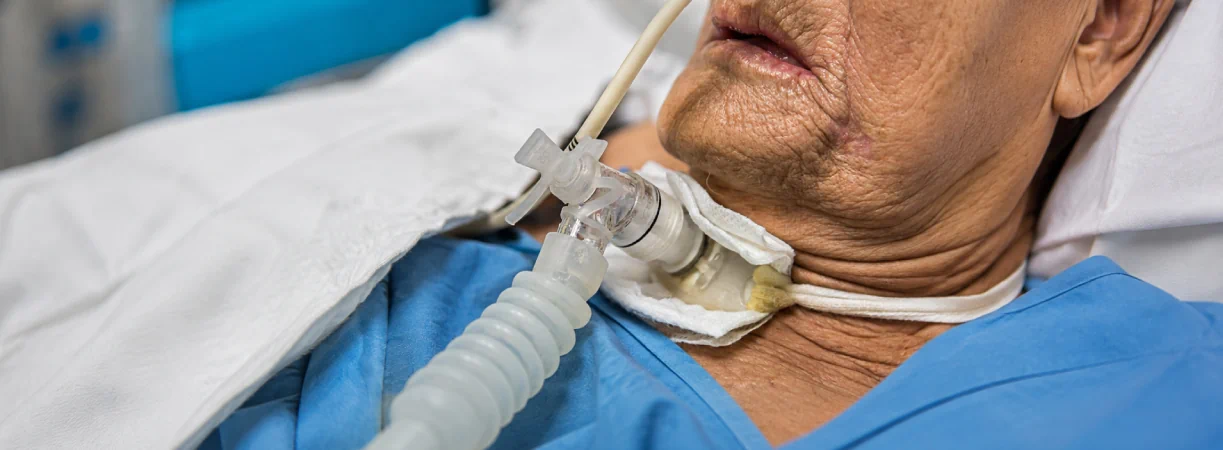
A tracheostomy is a surgical procedure that creates an opening in the front of the neck into the trachea, or windpipe. A tracheostomy tube is placed through this opening to provide an alternative route for breathing.
Depending on the patient's condition, a tracheostomy may be temporary or may be required for a longer period. It can be performed as a planned procedure or, in certain situations, as an emergency when the airway needs to be secured.
Garv Diagnostic Centre & Hospital provides hospital-based evaluation and surgical care for patients who may require airway management.
What Is a Tracheostomy?
Normally, air enters through the nose or mouth, passes through the throat and larynx, and travels down the trachea into the lungs.
During a tracheostomy, an opening called a stoma is created in the front of the neck and connects directly to the trachea. A tracheostomy tube is then inserted through the opening.
This provides a direct pathway for air to enter and leave the lungs. It can also make it easier for healthcare professionals to remove airway secretions when a patient is unable to clear them effectively.
Why Is a Tracheostomy Needed?
A tracheostomy may be recommended for several medical reasons.
These can include:
- Severe or persistent upper-airway obstruction
- The need for prolonged mechanical ventilation
- Difficulty clearing respiratory secretions
- Certain neurological or neuromuscular conditions
- Serious injury or disease affecting the upper airway
- Airway protection following certain surgeries
- Conditions where normal breathing through the nose and mouth is not adequate
The decision depends on the patient's diagnosis, breathing status, expected treatment needs, and overall health.
How Is a Tracheostomy Performed?
The procedure can be performed using different techniques depending on the patient's condition and the clinical setting.
For a surgical tracheostomy, the patient is generally given anaesthesia. The surgeon makes an incision in the front of the neck and creates an opening in the trachea. A tracheostomy tube is inserted and secured in position.
In emergency circumstances, the type of anaesthesia and technique may differ because establishing a safe airway takes priority.
The medical team monitors breathing, oxygen levels, and other vital signs during and after the procedure.
What Happens After a Tracheostomy?
After the procedure, the patient remains under medical observation. The length of hospital stay depends on the underlying condition and recovery.
The tracheostomy team provides instructions regarding:
- Cleaning the tracheostomy tube
- Suctioning secretions when required
- Tube care and replacement
- Stoma care
- Recognizing signs of infection or blockage
- Communication and speaking
- Eating and swallowing
Some patients are eventually able to have the tube removed when it is no longer needed. After removal, the opening generally closes as the tissues heal, although a small scar may remain.
Speaking and Eating With a Tracheostomy
A tracheostomy can temporarily affect speech because airflow may no longer pass normally through the vocal cords.
When a cuffed tube is inflated, air may not pass over the vocal cords, making speech difficult or impossible. As the patient recovers, the medical team may adjust the tube or consider a speaking valve when appropriate.
Some patients can eat and drink normally with a tracheostomy, while others may require swallowing assessment or temporary feeding support. This depends on the underlying illness and swallowing function.
Possible Risks and Complications
Tracheostomy is an important airway procedure, but it carries potential risks.
These can include:
- Bleeding
- Infection
- Damage to nearby tissues
- Blockage of the tracheostomy tube
- Tube displacement
- Difficulty with wound healing
- Air leaking into tissues around the lungs or chest
- Narrowing of the trachea after prolonged tube placement
Your medical team will discuss the risks relevant to your condition before a planned procedure.
Discuss Airway Treatment With Garv Diagnostic Centre & Hospital
Breathing difficulties and airway obstruction require timely medical assessment. A tracheostomy may provide an alternative airway when normal breathing through the upper airway is not adequate.
Contact Garv Diagnostic Centre & Hospital to discuss airway concerns, planned tracheostomy procedures, or ongoing tracheostomy care with the appropriate medical team.
Frequently Asked Questions
Q: Is a tracheostomy permanent?
A: Not necessarily. Some people require a tracheostomy temporarily and have the tube removed once they can breathe safely without it. Others may need long-term airway support.
Q: Can a person talk after a tracheostomy?
A: Many patients can speak after a tracheostomy, depending on their condition and the type of tube used. A speaking valve may be considered when appropriate.
Q: Can someone eat normally with a tracheostomy?
A: Some people can eat and drink normally, while others may have swallowing difficulties. A healthcare professional may assess swallowing before recommending oral food and fluids.
Q: How long does a tracheostomy stay in place?
A: There is no single duration. It depends on why the tracheostomy was performed and whether the patient's airway and breathing have recovered sufficiently.
Q: What happens when the tracheostomy tube is removed?
A: A dressing is usually placed over the opening. The stoma commonly closes as it heals, although healing time varies between individuals.
Q: Is tracheostomy painful?
A: The procedure itself is performed with anaesthesia. Some discomfort around the neck and tracheostomy site can occur during recovery.



Office Hours
Mon–Sat: Open 24 Hours
Sun: 8:00 AM–2:00 PM


©2026 | Garv Diagnostic Centre & Hospital | All Rights Reserved | Digital Marketing By Remedo