
Thyroidectomy
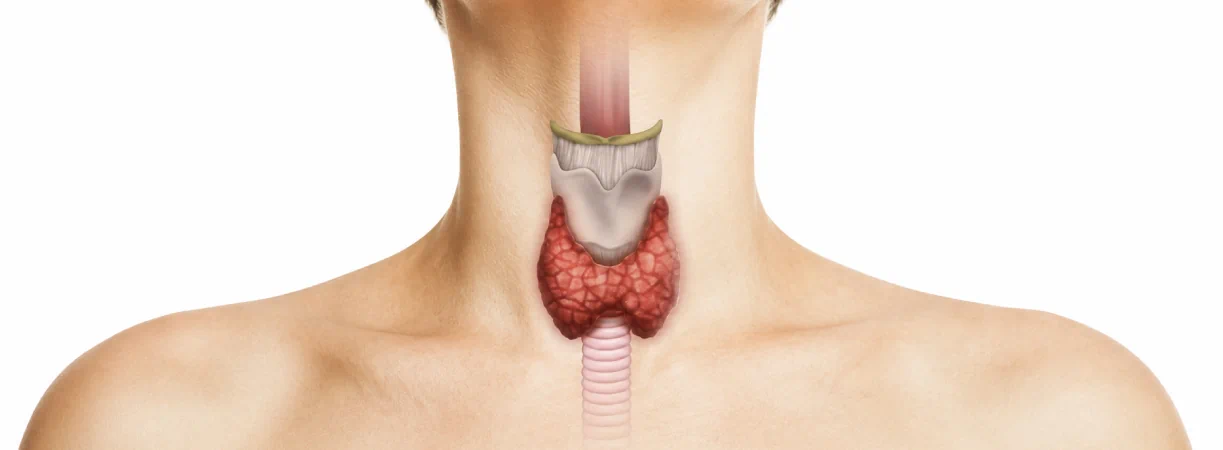
A thyroidectomy is an operation to remove part or all of the thyroid gland. The thyroid is a butterfly-shaped gland located at the front of the neck. It produces hormones that help regulate metabolism and support several important functions in the body.
Depending on the patient's condition, a surgeon may remove one lobe of the thyroid or the entire gland. Thyroidectomy may be recommended for certain thyroid nodules, goitres, thyroid cancer, or other thyroid conditions when surgery is considered appropriate.
Garv Diagnostic Centre & Hospital provides evaluation and surgical care for patients requiring treatment for thyroid conditions.
What Is a Thyroidectomy?
Thyroidectomy is surgery to remove thyroid tissue.
The two main forms are:
- Hemithyroidectomy: Removal of one lobe of the thyroid.
- Total thyroidectomy: Removal of the entire thyroid gland.
In selected situations, a completion thyroidectomy may be performed after an earlier operation to remove the remaining thyroid tissue. The appropriate procedure depends on the diagnosis and treatment plan.
Why Is Thyroidectomy Performed?
Surgery may be considered for several thyroid conditions.
These include:
- Thyroid cancer
- Certain thyroid nodules
- Large or symptomatic goitres
- Thyroid enlargement causing pressure on the airway or swallowing passage
- Some cases of overactive thyroid, including Graves' disease
- Nodules or cysts where surgery is required for diagnosis or treatment
Not every thyroid nodule or goitre requires surgery. Your doctor will consider the characteristics of the thyroid condition, test results, symptoms, and overall health before recommending an operation.
Symptoms That May Lead to a Thyroid Evaluation
Thyroid problems can present in different ways. Some people have no noticeable symptoms, while others may develop:
- A lump or swelling in the neck
- Difficulty swallowing
- Pressure in the neck
- Difficulty breathing
- Changes in the voice
- Symptoms associated with altered thyroid hormone levels
A neck swelling should be evaluated rather than assumed to be a particular thyroid condition.
How Is Thyroidectomy Performed?
Thyroidectomy is generally performed under general anaesthesia.
Before surgery, the medical team reviews your medical history, medications, thyroid investigations, imaging, and other relevant test results. Preoperative assessment also helps determine whether you are fit for anaesthesia and surgery.
During the operation:
- General anaesthesia is administered.
- An incision is made in the lower front of the neck.
- The thyroid gland is carefully exposed.
- The surgeon removes either part or all of the gland, depending on the treatment plan.
- Important nearby structures are identified and preserved where possible.
- The incision is closed.
The thyroid lies close to nerves involved in voice production and to the parathyroid glands, which help regulate calcium levels. These structures therefore receive particular attention during thyroid surgery.
What Happens After Thyroidectomy?
After surgery, you are monitored in the recovery area and then transferred for further observation as appropriate.
You may experience:
- Mild neck discomfort
- Temporary swelling
- Neck stiffness
- A sore throat
- Temporary voice changes
- Tiredness
Your healthcare team may check calcium levels and other relevant blood tests after surgery, particularly after total thyroidectomy.
If the entire thyroid gland has been removed, lifelong thyroid hormone replacement with levothyroxine is generally required because the body can no longer produce sufficient thyroid hormone on its own.
Possible Risks and Complications
As with any surgery, thyroidectomy has potential risks.
These may include:
- Bleeding
- Infection
- Neck swelling
- Scar formation
- Voice changes caused by irritation or injury to nerves near the thyroid
- Low calcium levels if the parathyroid glands are affected
- Anaesthesia-related complications
- The need for additional treatment depending on the underlying thyroid condition
The likelihood and significance of these risks vary between patients. Your surgeon will discuss the risks and expected benefits before you consent to surgery.
Recovery After Thyroidectomy
Recovery varies according to the type of operation and the patient's general health.
Many patients can gradually return to normal activities after surgery, but strenuous activity and heavy lifting may need to be avoided temporarily.
Your doctor will provide instructions regarding:
- Wound care
- Medications
- Physical activity
- Thyroid hormone replacement
- Calcium supplementation if required
- Follow-up appointments
- Pathology results
Follow-up is important because the removed thyroid tissue is examined by a pathologist. The results can help determine whether additional treatment or monitoring is needed.
Discuss Thyroid Surgery at Garv Diagnostic Centre & Hospital
If you have been diagnosed with a thyroid nodule, goitre, thyroid cancer, or another condition for which surgery has been recommended, understanding your treatment options is an important part of your care.
Contact Garv Diagnostic Centre & Hospital to schedule a consultation and discuss your thyroid condition, recommended investigations, surgical options, recovery, and follow-up care.
Frequently Asked Questions
Q: Is thyroidectomy painful?
A: The operation is performed under general anaesthesia. Mild pain, neck soreness, or stiffness can occur during recovery and is usually managed according to your doctor's instructions.
Q: How much of the thyroid is removed?
A: It depends on the condition. A hemithyroidectomy removes one thyroid lobe, while a total thyroidectomy removes the entire gland.
Q: Will I need thyroid medicine after surgery?
A: If the entire thyroid is removed, lifelong thyroid hormone replacement is generally required. After removal of one lobe, some people may continue to produce enough thyroid hormone, while others may need replacement.
Q: Can thyroidectomy treat thyroid cancer?
A: Surgery is a common treatment for thyroid cancer, although the exact treatment plan depends on the type and stage of cancer and other individual factors.
Q: Will thyroidectomy leave a scar?
A: Thyroidectomy involves an incision in the neck, so a scar is expected. It generally changes in appearance as it heals.
Q: Can thyroid surgery affect my voice?
A: The nerves controlling the voice run close to the thyroid. Temporary or, less commonly, persistent voice changes can occur if these nerves are affected during surgery.
Q: How long does thyroidectomy take?
A: The duration varies depending on the type and complexity of the operation. Your surgeon can provide a more accurate estimate based on your planned procedure.



Office Hours
Mon–Sat: Open 24 Hours
Sun: 8:00 AM–2:00 PM


©2026 | Garv Diagnostic Centre & Hospital | All Rights Reserved | Digital Marketing By Remedo