
Septorhinoplasty
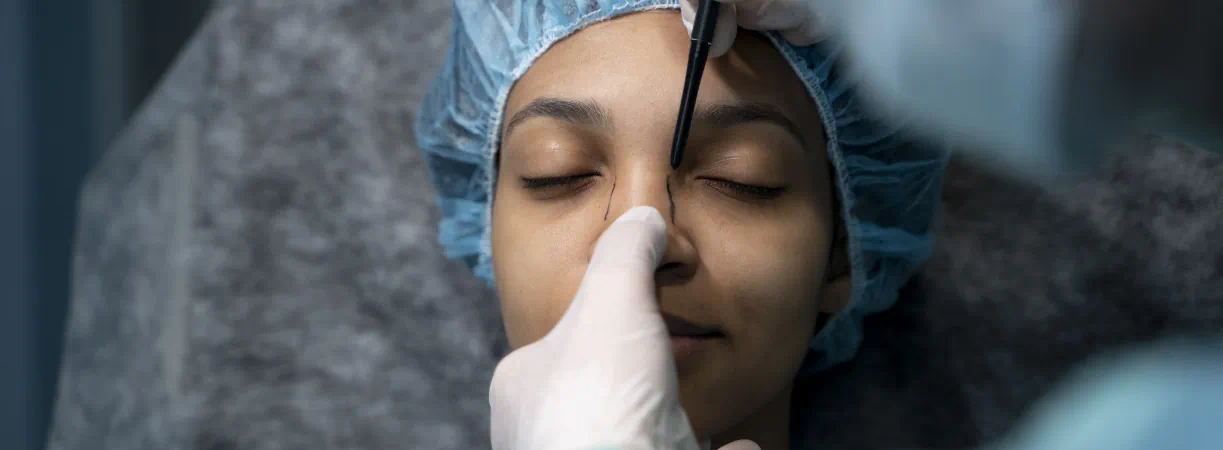
Septorhinoplasty is a surgical procedure that combines correction of the nasal septum with reshaping or reconstruction of the external structure of the nose. It may be considered when a patient has nasal breathing problems related to internal structural changes along with concerns involving the external shape or framework of the nose.
At Garv Diagnostic Centre & Hospital, Dr. Vaibhav Kuchhal, ENT Specialist, evaluates patients with nasal obstruction and structural nasal concerns to determine whether septorhinoplasty may be appropriate. The procedure is planned according to the patient's symptoms, nasal anatomy, medical history, and treatment requirements.
What Is Septorhinoplasty?
Septorhinoplasty combines two aspects of nasal surgery.
The septoplasty component addresses a deviated or otherwise problematic nasal septum, which can contribute to difficulty breathing through the nose. The rhinoplasty component addresses the external nasal framework and may involve reshaping, repositioning, or reconstructing nasal structures.
Depending on the patient's condition, the procedure may be performed for functional reasons, structural concerns, or a combination of both.
The specific surgical approach varies according to the patient's anatomy and the changes that need to be addressed.
When Is Septorhinoplasty Recommended?
Septorhinoplasty may be considered when nasal breathing difficulties are associated with structural problems that involve both the internal and external parts of the nose.
Possible reasons include:
- Persistent nasal obstruction
- Significant deviation of the nasal septum
- Structural narrowing of the nasal airway
- Nasal deformity following an injury
- Structural changes affecting nasal breathing
- Previous nasal surgery with ongoing functional concerns
- Nasal structural problems requiring both functional and reconstructive correction
The procedure is not appropriate for everyone with nasal blockage. A detailed ENT assessment is required to identify the underlying cause.
How Is Nasal Structure Evaluated?
The ENT specialist begins with a discussion of symptoms, previous nasal injuries or surgery, medical history, and any treatments already attempted.
The examination may include assessment of:
- External nasal shape and structure
- Nasal passages
- Septal position
- Nasal airflow
- Nasal valves and other areas that may contribute to obstruction
- Turbinates and surrounding structures
Nasal endoscopy may be performed to examine the internal nasal passages in greater detail. Imaging may be recommended in selected cases when additional anatomical information is required.
How Is Septorhinoplasty Performed?
Septorhinoplasty is generally performed under general anaesthesia.
During the procedure:
- Anaesthesia is administered.
- The surgeon accesses the internal nasal structures.
- Deviated portions of the septum are corrected as required.
- The nasal framework is reshaped, repositioned, or reconstructed according to the treatment plan.
- Structural support may be adjusted where necessary.
- The nasal structures are positioned to support appropriate function and healing.
- The surgical site is closed using appropriate techniques.
The exact steps depend on the patient's nasal anatomy and the specific corrections required.
In some cases, cartilage or other tissue may be used to provide structural support. The surgeon will explain the planned technique before the procedure.
What Happens After Septorhinoplasty?
After surgery, the patient is monitored while recovering from anaesthesia. Nasal congestion, swelling, and discomfort are common during the early recovery period.
Temporary symptoms may include:
- Nasal blockage
- Facial or nasal swelling
- Bruising around the nose or eyes
- Mild discomfort or pressure
- Small amounts of nasal discharge or bleeding
- Temporary changes in the sense of smell
- Tiredness
The extent of swelling and bruising varies between patients. Your doctor will provide specific instructions regarding medication, nasal care, activity, and follow-up.
Recovery After Septorhinoplasty
Recovery takes place gradually. External swelling and bruising may improve over the initial weeks, while deeper nasal tissues can continue to heal for a longer period.
During recovery, patients may be advised to:
- Avoid strenuous physical activity for the recommended period
- Avoid pressure or impact to the nose
- Follow prescribed medication instructions
- Follow nasal care instructions carefully
- Attend scheduled follow-up appointments
- Protect the nose while healing
Nasal breathing may initially feel more restricted because of swelling. Improvement generally occurs as the tissues heal.
The final structural result may take time to become fully apparent because nasal tissues continue to settle during the healing process.
Possible Risks and Complications
As with any surgical procedure, septorhinoplasty has potential risks.
These may include:
- Bleeding
- Infection
- Swelling
- Bruising
- Pain or discomfort
- Temporary changes in smell
- Persistent nasal obstruction
- Changes in nasal sensation
- Asymmetry
- Changes in the external appearance of the nose
- Septal perforation
- Difficulty achieving the intended functional or structural result
- Anaesthesia-related complications
- Need for further treatment or revision surgery
The risks vary according to the procedure and the patient's individual circumstances. Your ENT specialist will discuss the potential complications before surgery.
What Should You Know Before Septorhinoplasty?
Before surgery, provide your doctor with complete information about your medical history, medications, allergies, previous nasal injuries, previous operations, and any previous reactions to anaesthesia.
The surgical team may provide instructions regarding:
- Pre-operative investigations
- Fasting before surgery
- Medication use
- Smoking and tobacco exposure
- Nasal preparation
- Arrangements for transportation
- Post-operative care
A detailed discussion before surgery helps ensure that the patient understands the proposed procedure, expected recovery, possible risks, and follow-up requirements.
Septorhinoplasty for Functional and Structural Concerns
Septorhinoplasty may address both functional and structural aspects of the nose when these problems occur together.
The functional component focuses on improving the internal nasal airway where appropriate. The structural component may address the external framework or shape of the nose.
The extent of correction depends on the patient's anatomy and treatment goals. The surgeon will explain which aspects of the nose need to be addressed and what can reasonably be expected from surgery.
When Should You Seek an ENT Evaluation?
Consider an ENT consultation if you have persistent nasal obstruction, difficulty breathing through your nose, or nasal structural concerns, particularly if symptoms developed after an injury or previous nasal surgery.
A specialist evaluation can help determine whether the symptoms are related to the nasal septum, external nasal framework, or another condition.
Consult an ENT Specialist at Garv Diagnostic Centre & Hospital
Persistent nasal breathing difficulties or structural nasal concerns may require a detailed assessment before the appropriate treatment can be determined.
Dr. Vaibhav Kuchhal, ENT Specialist at Garv Diagnostic Centre & Hospital, can evaluate your nasal structure and symptoms and discuss whether septorhinoplasty or another treatment approach may be appropriate.
Contact Garv Diagnostic Centre & Hospital to schedule an ENT consultation and discuss your nasal concerns and treatment options.
Frequently Asked Questions
Q: What is the difference between septoplasty and septorhinoplasty?
A: Septoplasty primarily corrects the internal nasal septum, while septorhinoplasty combines correction of the septum with treatment of the external nasal framework.
Q: Is septorhinoplasty performed under general anaesthesia?
A: Septorhinoplasty is generally performed under general anaesthesia. Your doctor will discuss the anaesthesia plan as part of the pre-operative assessment.
Q: How long does recovery from septorhinoplasty take?
A: Recovery varies between patients. Swelling and congestion may persist during the early healing period, while the nasal tissues can continue to settle over a longer period.
Q: Will septorhinoplasty improve nasal breathing?
A: If structural problems are contributing to nasal obstruction, correcting them may improve nasal airflow. The expected benefit depends on the underlying cause and the patient's individual anatomy.
Q: Will septorhinoplasty change the appearance of my nose?
A: The procedure can involve changes to the external nasal framework when these are part of the surgical plan. Your doctor will discuss the structural changes being considered before surgery.



Office Hours
Mon–Sat: Open 24 Hours
Sun: 8:00 AM–2:00 PM


©2026 | Garv Diagnostic Centre & Hospital | All Rights Reserved | Digital Marketing By Remedo