
Ossiculoplasty
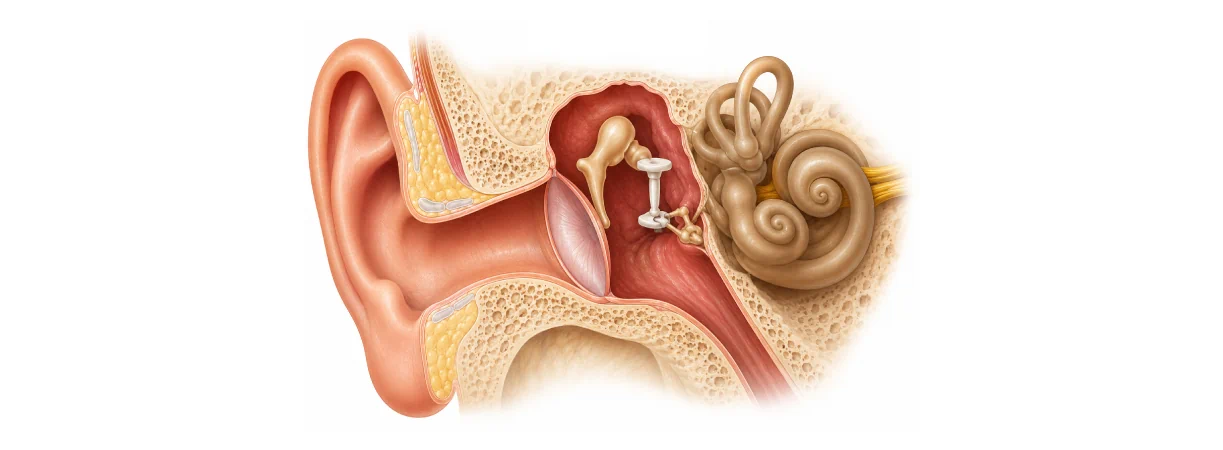
Ossiculoplasty is a surgical procedure used to repair or reconstruct the small bones of the middle ear when they have been damaged or are not functioning properly. These bones, known as the ossicles, play an important role in transmitting sound vibrations from the eardrum to the inner ear.
Damage to the ossicles can occur because of chronic ear disease, infection, trauma, previous surgery, or other conditions affecting the middle ear. When the connection between the ossicles is disrupted, conductive hearing loss may occur.
At Garv Diagnostic Centre & Hospital, Dr. Vaibhav Kuchhal, ENT Specialist, evaluates patients with middle-ear conditions and hearing difficulties to determine whether ossiculoplasty may be appropriate based on the condition of the ear and hearing mechanism.
What Is Ossiculoplasty?
Ossiculoplasty is an operation performed to repair or reconstruct the chain of small bones in the middle ear.
The three ossicles are:
- Malleus
- Incus
- Stapes
These bones work together to transfer sound vibrations from the eardrum toward the inner ear. If one or more of these structures is damaged, displaced, eroded, or disconnected, sound transmission may be reduced.
During ossiculoplasty, the surgeon may repair the existing ossicles or use a suitable prosthesis to restore the connection between the eardrum and the remaining middle-ear structures.
The exact technique depends on the condition and anatomy of the patient's ear.
When Is Ossiculoplasty Recommended?
Ossiculoplasty may be considered when damage to the ossicles contributes to conductive hearing loss and surgical reconstruction may be appropriate.
Possible reasons include:
- Damage to the middle-ear bones caused by chronic ear disease
- Ossicular erosion associated with longstanding infection
- Disruption of the ossicular chain following trauma
- Ossicular damage following previous ear surgery
- Displacement or discontinuity of the ossicles
- Other structural abnormalities affecting sound transmission
The procedure is not suitable for every type of hearing loss. An ENT specialist evaluates the condition of the middle ear and determines whether reconstruction may be beneficial.
How Is Ossicular Damage Diagnosed?
The ENT specialist reviews the patient's hearing symptoms, medical history, previous ear problems, and any earlier procedures.
Assessment may include:
- Detailed examination of the ear
- Microscopic examination
- Hearing tests
- Tympanometry
- Imaging, such as a CT scan, when clinically required
- Review of previous ear surgery or trauma
These investigations help determine the likely cause of hearing loss and provide information about the condition of the middle-ear structures.
How Is Ossiculoplasty Performed?
Ossiculoplasty is generally performed under general anaesthesia.
During surgery:
- Anaesthesia is administered.
- The surgeon accesses the middle ear through an appropriate surgical approach.
- The condition of the eardrum and ossicular chain is assessed.
- Damaged, displaced, or missing ossicular structures are identified.
- The existing bones may be repaired or repositioned where appropriate.
- A prosthetic material may be used to reconstruct the sound-conducting pathway when necessary.
- The reconstructed chain is positioned carefully.
- The surgical area is closed and protected.
The exact technique depends on which ossicles are affected and the condition of the surrounding middle-ear structures.
What Happens After Ossiculoplasty?
After surgery, the patient is monitored while recovering from anaesthesia. Temporary ear-related symptoms may occur during the early healing period.
These may include:
- Mild ear discomfort
- A blocked or full sensation
- Temporary hearing changes
- Mild dizziness
- Tinnitus
- Small amounts of ear discharge
- Tiredness
Hearing may initially seem unchanged or reduced because of swelling and packing used during healing.
The doctor will provide instructions regarding medication, ear care, activity, and follow-up.
Recovery After Ossiculoplasty
Healing takes time, and improvement in hearing may not be immediate. The reconstructed structures need time to settle and heal.
During recovery, patients may be advised to:
- Keep the operated ear dry as instructed
- Take prescribed medication as directed
- Avoid inserting anything into the ear
- Avoid forceful nose blowing when advised
- Avoid strenuous activities for the recommended period
- Attend scheduled follow-up appointments
Hearing tests may be performed after the ear has healed sufficiently to assess the outcome of reconstruction.
Possible Risks and Complications
As with any surgical procedure, ossiculoplasty has potential risks.
These may include:
- Bleeding
- Infection
- Persistent or recurrent hearing loss
- Failure of the reconstructed ossicular chain to function as intended
- Displacement of a prosthesis
- Dizziness or balance problems
- Tinnitus
- Changes in taste
- Persistent ear discharge
- Damage to surrounding ear structures
- Facial nerve injury
- Anaesthesia-related complications
- Need for additional surgery
The risks vary depending on the condition of the ear and the type of reconstruction required. Your ENT specialist will discuss the potential risks and expected benefits before surgery.
What Should You Know Before Ossiculoplasty?
Before surgery, inform your doctor about:
- Existing medical conditions
- Current medications
- Allergies
- Previous ear surgeries
- Previous ear infections
- Hearing problems
- Ear injuries
- Previous reactions to anaesthesia
A hearing assessment and other investigations may be required before surgery to understand the extent of hearing loss and the condition of the middle ear.
The surgical team will also provide instructions regarding fasting, medications, investigations, and post-operative care.
Can Ossiculoplasty Improve Hearing?
The purpose of ossiculoplasty is to restore or improve the transmission of sound through the middle ear. Hearing may improve when conductive hearing loss is caused by disruption or damage to the ossicular chain.
However, the result varies between patients. Hearing outcomes can be affected by the condition of the eardrum, middle-ear lining, inner ear, Eustachian tube function, and other structures.
Your ENT specialist can explain the expected hearing outcome based on your individual ear condition.
When Should You Seek an ENT Evaluation?
An ENT consultation may be appropriate if you experience:
- Persistent hearing difficulties
- Hearing loss following an ear injury
- Recurrent ear infections
- Persistent ear discharge
- A history of chronic ear disease
- Hearing problems following previous ear surgery
- A known problem involving the middle-ear bones
A detailed assessment can help identify whether the hearing loss is related to the ossicles or another part of the hearing system.
Consult an ENT Specialist at Garv Diagnostic Centre & Hospital
Persistent hearing loss can have several possible causes. When structural problems within the middle ear are suspected, specialist assessment can help determine whether surgical reconstruction may be appropriate.
Dr. Vaibhav Kuchhal, ENT Specialist at Garv Diagnostic Centre & Hospital, can evaluate your ear condition, review hearing tests and relevant investigations, and discuss whether ossiculoplasty may be suitable.
Contact Garv Diagnostic Centre & Hospital to schedule an ENT consultation and discuss your hearing concerns and treatment options.
Frequently Asked Questions
Q: What are the ossicles?
A: The ossicles are three small bones in the middle ear called the malleus, incus, and stapes. They help transmit sound vibrations from the eardrum to the inner ear.
Q: Is ossiculoplasty performed under general anaesthesia?
A: Ossiculoplasty is generally performed under general anaesthesia. Your doctor will discuss the anaesthesia plan during the pre-operative assessment.
Q: How long does it take to recover from ossiculoplasty?
A: Recovery varies between patients. The ear requires time to heal, and hearing may change gradually rather than immediately after surgery.
Q: Will ossiculoplasty restore normal hearing?
A: Hearing may improve when conductive hearing loss is caused by ossicular damage, but the outcome varies. The condition of other middle- and inner-ear structures can also affect hearing.
Q: Can ossiculoplasty be performed after previous ear surgery?
A: In selected cases, ossiculoplasty may be considered after previous ear surgery when the ossicular chain remains damaged or disrupted. The suitability of reconstruction depends on the condition of the ear.



Office Hours
Mon–Sat: Open 24 Hours
Sun: 8:00 AM–2:00 PM


©2026 | Garv Diagnostic Centre & Hospital | All Rights Reserved | Digital Marketing By Remedo