
Microlaryngeal Surgery (MLS)
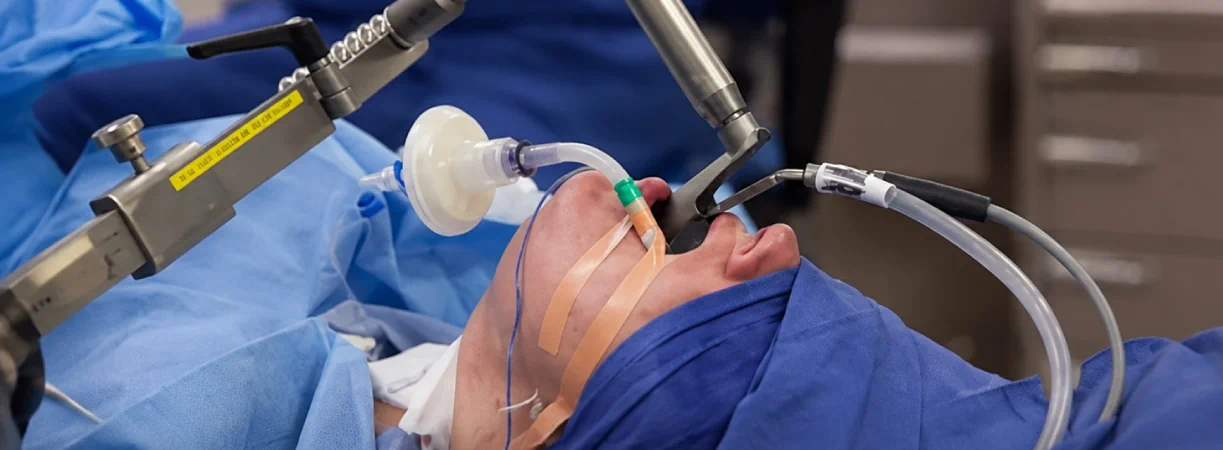
Microlaryngeal Surgery (MLS) is a minimally invasive procedure used to examine and treat conditions affecting the larynx, commonly known as the voice box. The larynx contains the vocal cords and plays an important role in speaking, breathing, and protecting the airway during swallowing.
When a problem involving the vocal cords or larynx cannot be adequately diagnosed or treated through a routine examination, an ENT specialist may recommend microlaryngeal surgery. The procedure allows the surgeon to examine the larynx under magnification and, when appropriate, remove abnormal tissue or obtain a biopsy for laboratory examination.
At Garv Diagnostic Centre & Hospital, patients can undergo evaluation for voice, throat, and laryngeal conditions and receive treatment based on their individual diagnosis and medical needs.
What Is Microlaryngeal Surgery?
Microlaryngeal surgery is performed through the mouth, so an external incision on the neck is generally not required. A specialised instrument is carefully introduced through the mouth to provide access to the larynx.
An operating microscope or other magnification may be used to provide a detailed view of the vocal cords and surrounding structures. Depending on the reason for surgery, the surgeon may examine an abnormal area, take a tissue sample, or remove a lesion. A laser may also be used in selected procedures.
The exact procedure depends on the condition being treated and the findings during the examination.
When Is Microlaryngeal Surgery Recommended?
MLS may be considered when a patient has a lesion or abnormality of the larynx that requires closer examination or surgical treatment.
Possible reasons include:
- Vocal cord polyps
- Vocal cord nodules or other benign lesions
- Cysts or papillomas
- Persistent voice changes
- Abnormal tissue requiring biopsy
- Certain precancerous or cancerous lesions
- Lesions that interfere with normal vocal cord function
Persistent hoarseness can have many causes, including voice overuse, infection, reflux, and growths affecting the vocal cords. Persistent or unexplained voice changes should be assessed by an appropriate healthcare professional.
How Is Microlaryngeal Surgery Performed?
MLS is generally performed under general anaesthesia, meaning you will be asleep during the procedure.
Before surgery, the ENT team reviews your symptoms, medical history, medications, and previous investigations. You may have undergone a flexible laryngoscopy or other examination before the procedure.
During surgery:
- You are given anaesthesia.
- A specialised laryngoscope is placed through the mouth.
- The surgeon obtains a detailed view of the larynx, often using magnification.
- The vocal cords and surrounding structures are examined.
- A biopsy may be taken if tissue needs laboratory examination.
- An abnormal lesion may be removed or treated when appropriate.
- The instruments are removed after the procedure is completed.
A tissue sample obtained during surgery is sent to a pathology laboratory when a biopsy is required. The pathology report helps determine the nature of the tissue and whether additional treatment or monitoring may be necessary.
What Can You Expect After Surgery?
You may experience a temporary sore throat, mild discomfort, coughing, or changes in your voice after the procedure. The duration of voice changes depends on the type of procedure and the condition being treated.
Your ENT specialist may recommend voice rest or specific instructions regarding speaking after surgery. Follow-up is important so the surgical site and voice can be assessed.
The recovery period varies between patients and depends on whether the procedure involved a biopsy, lesion removal, or another treatment.
Possible Risks and Complications
As with any surgical procedure, microlaryngeal surgery has potential risks.
These can include:
- Sore throat or mouth discomfort
- Temporary voice changes
- Bleeding
- Infection
- Swelling
- Dental or lip injury from surgical instruments
- Persistent voice changes
- Recurrence of certain lesions
- Anaesthesia-related complications
Your doctor will explain the potential risks and benefits relevant to your particular condition before surgery.
Schedule an ENT Evaluation at Garv Diagnostic Centre & Hospital
Persistent hoarseness, voice changes, throat discomfort, swallowing difficulties, or other laryngeal symptoms deserve appropriate evaluation.
If your doctor has recommended microlaryngeal surgery, the team at Garv Diagnostic Centre & Hospital can assess your condition and explain the procedure, preparation, potential risks, and follow-up involved.
Contact Garv Diagnostic Centre & Hospital to schedule an evaluation and discuss whether Microlaryngeal Surgery is appropriate for your condition.
Frequently Asked Questions
Q: Is microlaryngeal surgery painful?
A: The procedure is performed under anaesthesia, so you should not feel pain during the operation. Mild throat discomfort or soreness may occur afterward.
Q: Will MLS change my voice?
A: The effect on your voice depends on the condition being treated and the type of procedure performed. Temporary voice changes can occur during recovery. Your doctor will explain what to expect.
Q: Is microlaryngeal surgery performed through the mouth?
A: Yes. MLS is generally performed using instruments introduced through the mouth, without a conventional external neck incision.
Q: How long does it take to recover?
A: Recovery varies depending on the procedure and your underlying condition. Your doctor will provide individualised instructions regarding speaking, diet, activity, and follow-up.
Q: Is a biopsy always required?
A: No. A biopsy is performed when the doctor needs tissue for laboratory examination. Whether one is required depends on the appearance and clinical features of the lesion.



Office Hours
Mon–Sat: Open 24 Hours
Sun: 8:00 AM–2:00 PM


©2026 | Garv Diagnostic Centre & Hospital | All Rights Reserved | Digital Marketing By Remedo