
Mastoidectomy
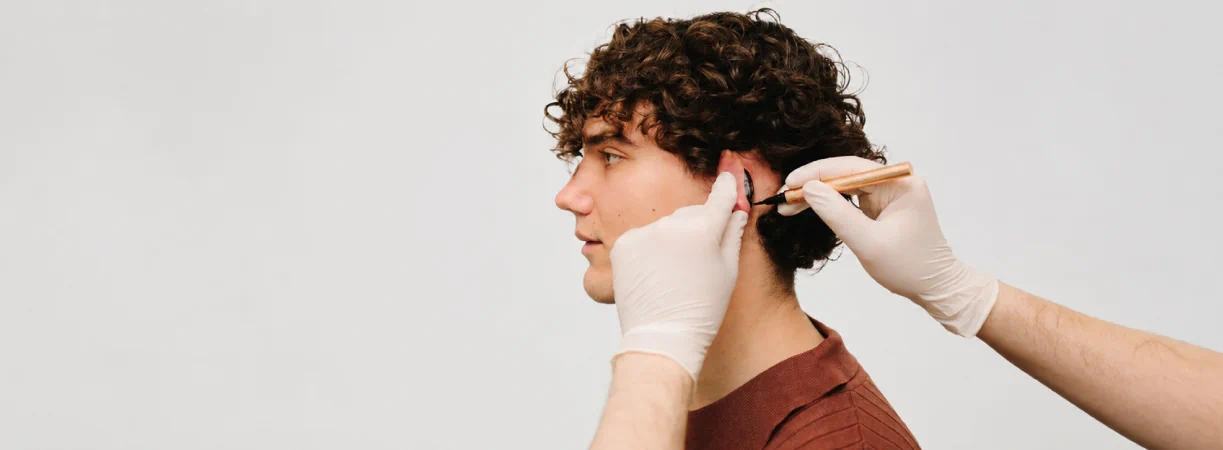
Mastoidectomy is a surgical procedure used to treat certain conditions affecting the mastoid bone, an area of bone located behind the ear. The mastoid contains small air-filled spaces that are connected to the middle ear. Infection, abnormal tissue growth, or other ear conditions can sometimes extend into these spaces and require surgical treatment.
At Garv Diagnostic Centre & Hospital, Dr. Vaibhav Kuchhal, ENT Specialist, evaluates patients with persistent or complicated ear conditions and determines whether mastoidectomy may be appropriate based on the diagnosis, examination findings, imaging, hearing status, and overall health.
What Is a Mastoidectomy?
A mastoidectomy involves removing infected, damaged, or abnormal tissue from the mastoid bone and its air cells.
The mastoid is closely connected to structures involved in hearing and balance. Therefore, the purpose and extent of surgery depend on the underlying ear condition.
Mastoidectomy may be performed on its own or alongside other ear procedures when treatment involves both the mastoid and middle ear.
The specific surgical approach depends on the disease affecting the ear and the structures that need to be treated.
When Is Mastoidectomy Recommended?
Mastoidectomy may be considered when an ear condition has extended into the mastoid or cannot be adequately managed with medical treatment alone.
Possible reasons include:
- Chronic middle-ear infection involving the mastoid
- Persistent or recurrent ear discharge
- Cholesteatoma
- Infection that has spread into the mastoid air cells
- Abnormal tissue affecting the mastoid
- Certain complications of chronic ear disease
- Other conditions where surgical removal of affected mastoid tissue is clinically necessary
Not every patient with an ear infection or chronic ear problem requires mastoidectomy. An ENT specialist determines whether surgery is appropriate after a detailed evaluation.
How Are Mastoid Conditions Diagnosed?
The ENT specialist begins by reviewing the patient's symptoms and medical history. The ear is then examined to assess the ear canal, eardrum, and surrounding structures.
Depending on the condition, assessment may include:
- Detailed ear examination
- Microscopic examination of the ear
- Hearing tests
- CT imaging of the temporal bone
- Assessment of persistent ear discharge
- Review of previous ear infections or surgeries
- Other investigations when clinically required
These findings help determine the extent of disease and whether the mastoid is involved.
How Is Mastoidectomy Performed?
Mastoidectomy is generally performed under general anaesthesia.
During surgery:
- General anaesthesia is administered.
- The surgeon accesses the mastoid area through an appropriate surgical approach.
- The mastoid bone and air cells are carefully examined.
- Infected, damaged, or abnormal tissue is removed.
- The affected areas are cleaned and treated as required.
- Other involved middle-ear structures may be addressed when necessary.
- The surgical area is closed and protected appropriately.
The extent of mastoidectomy depends on the underlying condition and the amount of disease present.
Different surgical approaches may be used depending on the patient's anatomy and the condition being treated.
What Happens After Mastoidectomy?
After surgery, the patient is monitored while recovering from anaesthesia. Some temporary symptoms may occur during the early recovery period.
These can include:
- Ear discomfort
- A feeling of fullness or blockage
- Temporary hearing changes
- Mild dizziness
- Swelling around the surgical area
- Small amounts of discharge
- Tiredness
The doctor will provide instructions regarding medication, wound care, ear protection, activity, and follow-up.
Recovery After Mastoidectomy
Recovery varies depending on the extent of surgery and the underlying ear condition.
Patients may be advised to:
- Keep the operated ear dry as instructed
- Take prescribed medicines as directed
- Avoid inserting anything into the ear
- Avoid strenuous physical activity during the recommended period
- Avoid pressure changes when advised
- Attend all follow-up appointments
Hearing may initially feel different because of swelling and changes within the middle ear. Recovery and hearing outcomes depend on the condition of the ear and the extent of disease treated.
Regular follow-up is important to monitor healing and check for any persistent or recurrent disease.
Possible Risks and Complications
Mastoidectomy is a specialised surgical procedure and, like other operations, carries potential risks.
These may include:
- Bleeding
- Infection
- Persistent ear discharge
- Hearing changes or hearing loss
- Dizziness or balance problems
- Tinnitus
- Changes in taste
- Facial nerve injury
- Persistent or recurrent disease
- Cerebrospinal fluid leakage in uncommon cases
- Anaesthesia-related complications
- Need for additional treatment or surgery
The risks vary according to the underlying condition and the extent of the operation. Your ENT specialist will explain the relevant risks before surgery.
What Should You Know Before Mastoidectomy?
Before surgery, inform your doctor about your medical conditions, medications, allergies, previous ear operations, hearing problems, and any previous reactions to anaesthesia.
The surgical team may recommend:
- Hearing assessment
- Imaging studies
- Pre-operative blood tests
- Other condition-specific investigations
- Fasting before surgery
- Medication instructions
- Post-operative ear care
It is important to follow all instructions provided by the medical and surgical team.
Can Hearing Improve After Mastoidectomy?
The primary purpose of mastoidectomy is to treat disease affecting the mastoid and prevent or manage complications. Hearing may improve in some patients, particularly when the underlying ear disease has contributed to hearing loss and the relevant structures can be treated.
However, hearing outcomes vary and may depend on the condition of the eardrum, middle-ear bones, inner ear, and other hearing structures.
Your ENT specialist can explain the expected hearing outcome based on your individual condition.
When Should You Seek an ENT Evaluation?
An ENT consultation may be appropriate if you experience:
- Persistent or recurrent ear discharge
- Ongoing ear infections
- Hearing difficulties
- Persistent ear pain
- A known cholesteatoma
- Symptoms following previous ear surgery
- Other recurring or worsening ear problems
Some chronic ear conditions can progress if left untreated. Specialist assessment can help identify the cause and determine whether medical or surgical treatment is required.
Consult an ENT Specialist at Garv Diagnostic Centre & Hospital
Persistent ear discharge, recurrent infections, hearing changes, or other ongoing ear problems should be evaluated by an ENT specialist.
Dr. Vaibhav Kuchhal, ENT Specialist at Garv Diagnostic Centre & Hospital, can assess the condition of the ear, review relevant investigations, and determine whether mastoidectomy or another treatment approach may be appropriate.
Contact Garv Diagnostic Centre & Hospital to schedule an ENT consultation and discuss your ear symptoms and treatment options.
Frequently Asked Questions
Q: Is mastoidectomy performed under general anaesthesia?
A: Yes. Mastoidectomy is generally performed under general anaesthesia, so the patient remains asleep during the procedure.
Q: How long does recovery take after mastoidectomy?
A: Recovery varies depending on the extent of surgery and the underlying ear condition. Your doctor will provide specific instructions regarding wound care, activity, ear protection, and follow-up.
Q: Will mastoidectomy affect my hearing?
A: Hearing may temporarily change after surgery, and the long-term outcome varies between patients. It depends on the condition of the middle and inner ear and the extent of disease treated.
Q: Can a mastoid infection be treated without surgery?
A: Some ear infections can be treated with medication. However, when disease involves the mastoid or complications develop, surgical treatment may be necessary.
Q: Why is follow-up important after mastoidectomy?
A: Follow-up allows the ENT specialist to monitor healing, assess hearing and ear function, and check for persistent or recurrent disease.



Office Hours
Mon–Sat: Open 24 Hours
Sun: 8:00 AM–2:00 PM


©2026 | Garv Diagnostic Centre & Hospital | All Rights Reserved | Digital Marketing By Remedo