
Management of Diseases Related to the Thyroid and Parotid Glands
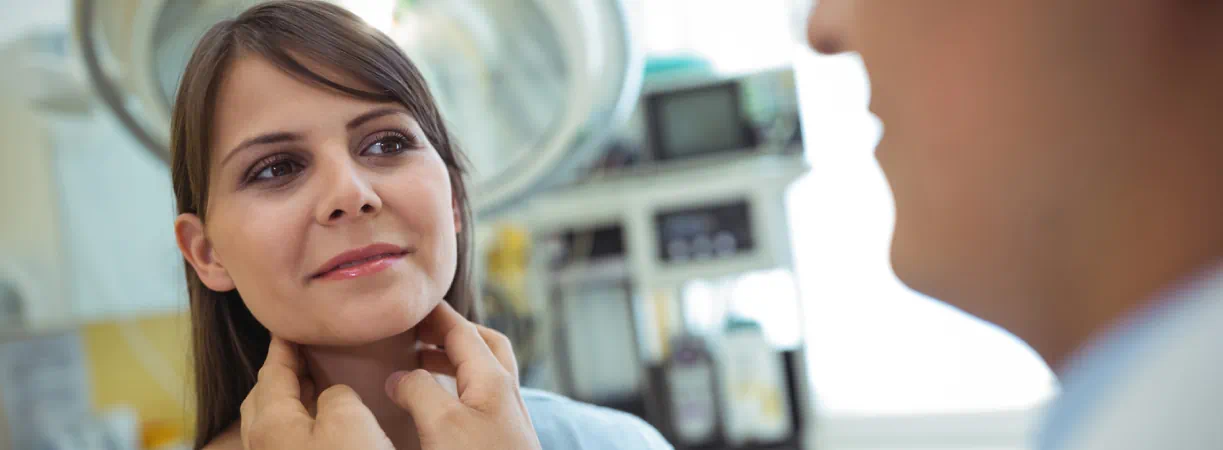
The thyroid and parotid glands are important structures in the neck and face. Conditions affecting these glands may present as a swelling, lump, discomfort or changes that are noticed gradually. While some swellings may be related to benign conditions, others may require further investigation.
At Garv Diagnostic Centre & Hospital, Dr. Vaibhav Kuchhal provides evaluation and management of diseases involving the thyroid and parotid glands. The focus is on identifying the nature of the condition and developing an appropriate treatment plan based on the patient's clinical findings.
Thyroid and Parotid Conditions
The thyroid is a gland located in the lower part of the neck and is involved in regulating several functions of the body through thyroid hormones. Thyroid conditions can include nodules, enlargement of the gland and other thyroid disorders.
The parotid glands are the largest of the major salivary glands and are located on either side of the face, in front of and below the ears. Problems affecting these glands may cause swelling near the cheek or jaw, pain, recurrent swelling or other changes.
A neck or facial swelling should not be self-diagnosed. An appropriate clinical assessment can help determine whether further testing is required.
Management of Thyroid Conditions
Thyroid nodules and thyroid swellings may be identified during a clinical examination or incidentally during an investigation. Their management depends on factors such as the clinical findings, characteristics of the nodule and results of relevant tests.
A patient with a thyroid swelling may require further evaluation before a treatment decision is made. Depending on the situation, investigations may be advised to understand the thyroid structure and assess the nature of the swelling.
Treatment options vary from observation and regular monitoring to surgical management in selected cases.
Thyroid Surgery When Required
Some thyroid conditions may require surgical treatment. Surgery is considered based on the diagnosis, symptoms, clinical findings and other relevant factors.
Before recommending surgery, the patient is assessed carefully and the proposed procedure is explained. This includes discussing the reason for surgery, expected recovery and follow-up.
The decision to proceed with surgery should always be based on an individual clinical evaluation.
Parotid Gland Conditions
Parotid gland disorders may present as swelling around the cheek, jaw or area in front of the ear. Some patients may experience pain, tenderness or changes that become more noticeable while eating.
The causes of parotid swelling can vary. A specialist evaluation is useful for understanding whether the problem is related to inflammation, infection, a stone or another type of gland disorder.
Where required, diagnostic investigations may be advised to obtain more information about the gland and the nature of the swelling.
Parotid Gland Surgery
Selected parotid gland conditions may require surgical treatment. The type and extent of surgery depend on the location and nature of the condition.
The facial nerve is an important consideration during parotid gland surgery because it passes through the gland. Appropriate surgical planning is therefore important when a procedure is indicated.
Patients are counselled about the proposed treatment and relevant considerations before surgery.
Evaluation of a Neck Swelling
A neck swelling should be evaluated, particularly if it is persistent, increasing in size or associated with other symptoms. The evaluation may include a clinical examination and additional investigations when necessary.
The aim is to understand the cause of the swelling and determine whether monitoring, medical treatment, further testing or surgical management is appropriate.
Personalised Treatment Approach
No two thyroid or parotid conditions are exactly the same. Treatment decisions are based on the individual patient's findings.
Depending on the condition, management may include:
- Clinical observation
- Medical management where appropriate
- Diagnostic investigations
- Regular follow-up
- Surgical treatment when indicated
Patients are provided with information about their condition and the recommended next steps.
Why Timely Assessment Matters
A neck swelling may not always cause pain, which can lead some people to postpone evaluation. However, persistent or unexplained swelling should be assessed by an appropriate specialist.
Early evaluation does not necessarily mean that surgery will be required. It helps establish what the swelling is and whether further management is necessary.
Book a Consultation
If you have a thyroid swelling, parotid gland concern or unexplained neck lump, consult Dr. Vaibhav Kuchhal at Garv Diagnostic Centre & Hospital for a detailed evaluation and appropriate treatment planning.
Frequently Asked Questions
Q: What symptoms can indicate a thyroid problem?
A: A thyroid condition may present as a swelling or lump in the neck. Some thyroid disorders may also be associated with changes in thyroid function. Evaluation is required to determine the cause.
Q: What does a parotid gland problem feel like?
A: A parotid gland condition may cause swelling near the cheek, jaw or in front of the ear. Pain or swelling that changes during meals can also occur with certain salivary gland conditions.
Q: Does every thyroid nodule require surgery?
A: No. Management depends on the characteristics of the nodule, clinical findings and relevant investigation results. Some nodules may be monitored, while others may require further treatment.
Q: Is parotid gland surgery always required?
A: No. Treatment depends on the cause and nature of the parotid gland condition. Surgery is considered only when clinically appropriate.
Q: When should I see an ENT specialist for a neck swelling?
A: A persistent, unexplained or increasing neck swelling should be evaluated. An ENT specialist can assess the swelling and advise whether further investigation or treatment is needed.



Office Hours
Mon–Sat: Open 24 Hours
Sun: 8:00 AM–2:00 PM


©2026 | Garv Diagnostic Centre & Hospital | All Rights Reserved | Digital Marketing By Remedo