
Esophageal Endoscopy
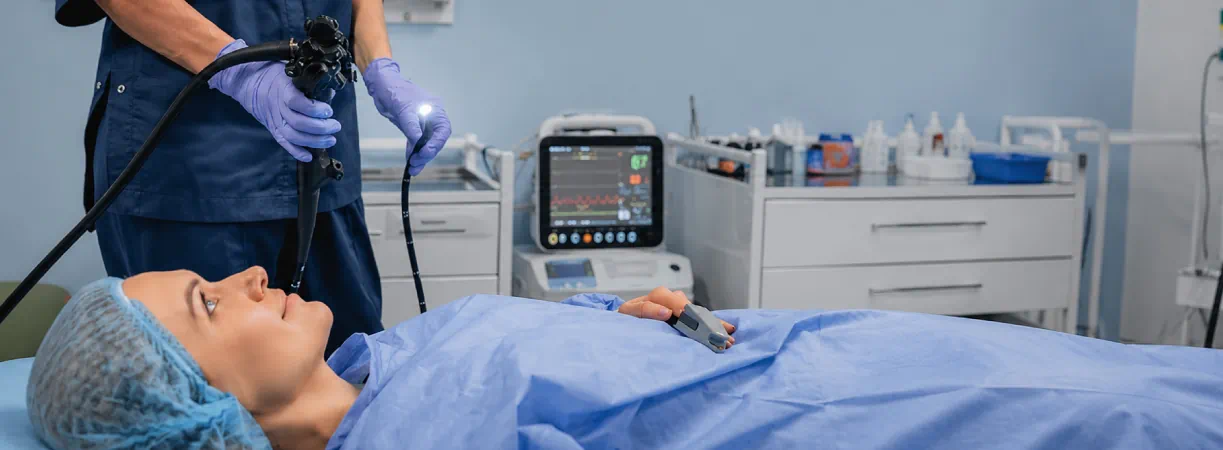
The oesophagus, commonly called the food pipe, carries food and liquids from the throat to the stomach. Problems affecting this passage can cause symptoms such as difficulty swallowing, discomfort while swallowing and a sensation that food is getting stuck.
Esophageal endoscopy allows the doctor to examine the inside of the oesophagus using a specialised endoscope. It may be recommended when a detailed assessment of the food pipe is required.
At Garv Diagnostic Centre & Hospital, Dr. Vaibhav Kuchhal, ENT Specialist, evaluates selected swallowing and upper aerodigestive tract concerns and determines whether endoscopic assessment is appropriate.
What Is Esophageal Endoscopy?
Esophageal endoscopy involves using a flexible endoscope to examine the inside of the oesophagus. The instrument contains a camera and light that allow the doctor to view the lining of the food pipe.
The procedure can provide direct visual information that may not be obtained through a routine clinical examination.
Depending on the clinical situation, endoscopy may be used to investigate symptoms and assist in treatment planning.
When May Esophageal Endoscopy Be Recommended?
An ENT specialist may consider further evaluation when a patient experiences persistent or unexplained swallowing-related symptoms.
These may include:
- Difficulty swallowing
- Pain while swallowing
- A sensation of food sticking
- Persistent discomfort while swallowing
- Recurrent swallowing problems
- Other symptoms involving the upper food passage
Not every swallowing complaint requires endoscopy. The need for the procedure depends on the patient's symptoms and clinical findings.
Why Is Evaluation Important?
Difficulty swallowing can have several possible causes. Some may be related to the throat, while others may involve the oesophagus or surrounding structures.
Identifying the location and possible cause of the problem is important for selecting the right treatment. An endoscopic assessment may provide useful information when the cause cannot be determined through routine examination alone.
What Does the Procedure Involve?
The patient receives instructions regarding preparation before the procedure. The endoscope is then carefully passed to allow the doctor to examine the oesophagus.
The procedure is performed according to the clinical requirement and appropriate precautions are taken for patient safety.
The doctor explains the procedure, preparation, possible risks and expected recovery before proceeding.
What Can the Doctor Assess?
Esophageal endoscopy can provide a direct view of the oesophageal lining. Depending on the findings, the doctor can determine whether further investigation or specialist management is required.
In some situations, additional diagnostic procedures may be advised based on what is observed during the examination.
Preparation and Aftercare
Patients are given specific instructions before the procedure. These instructions may relate to food and fluid intake and other preparation requirements.
After the procedure, patients are advised about what to expect and when normal activities can be resumed. The exact instructions depend on the type of procedure and whether any additional intervention was performed.
Who May Need Further Evaluation?
Patients with persistent swallowing difficulties should seek appropriate medical evaluation rather than repeatedly adjusting their diet or ignoring the symptoms.
Early assessment can help determine whether the problem originates in the throat, oesophagus or another area.
Book a Consultation
If you are experiencing persistent difficulty or discomfort while swallowing, consult Dr. Vaibhav Kuchhal at Garv Diagnostic Centre & Hospital for appropriate evaluation and further treatment planning.
Frequently Asked Questions
Q: What is esophageal endoscopy used for?
A: Esophageal endoscopy is used to examine the inside of the oesophagus and may be recommended when swallowing-related symptoms require detailed assessment.
Q: Is difficulty swallowing always a serious problem?
A: No. Difficulty swallowing can have several causes. However, persistent or unexplained swallowing problems should be evaluated by a doctor.
Q: Do I need to prepare before an esophageal endoscopy?
A: Yes. Specific preparation instructions are generally provided before the procedure. These may include instructions regarding food and fluid intake.
Q: Is esophageal endoscopy a surgical procedure?
A: It is primarily an endoscopic examination, although certain endoscopic procedures may also have a therapeutic role depending on the clinical situation.
Q: When should I consult an ENT specialist for swallowing difficulty?
A: Persistent, recurring or unexplained difficulty swallowing should be assessed by an appropriate specialist to determine the underlying cause.



Office Hours
Mon–Sat: Open 24 Hours
Sun: 8:00 AM–2:00 PM


©2026 | Garv Diagnostic Centre & Hospital | All Rights Reserved | Digital Marketing By Remedo