
Ear Discharge That Keeps Returning: When Is Surgery Considered?
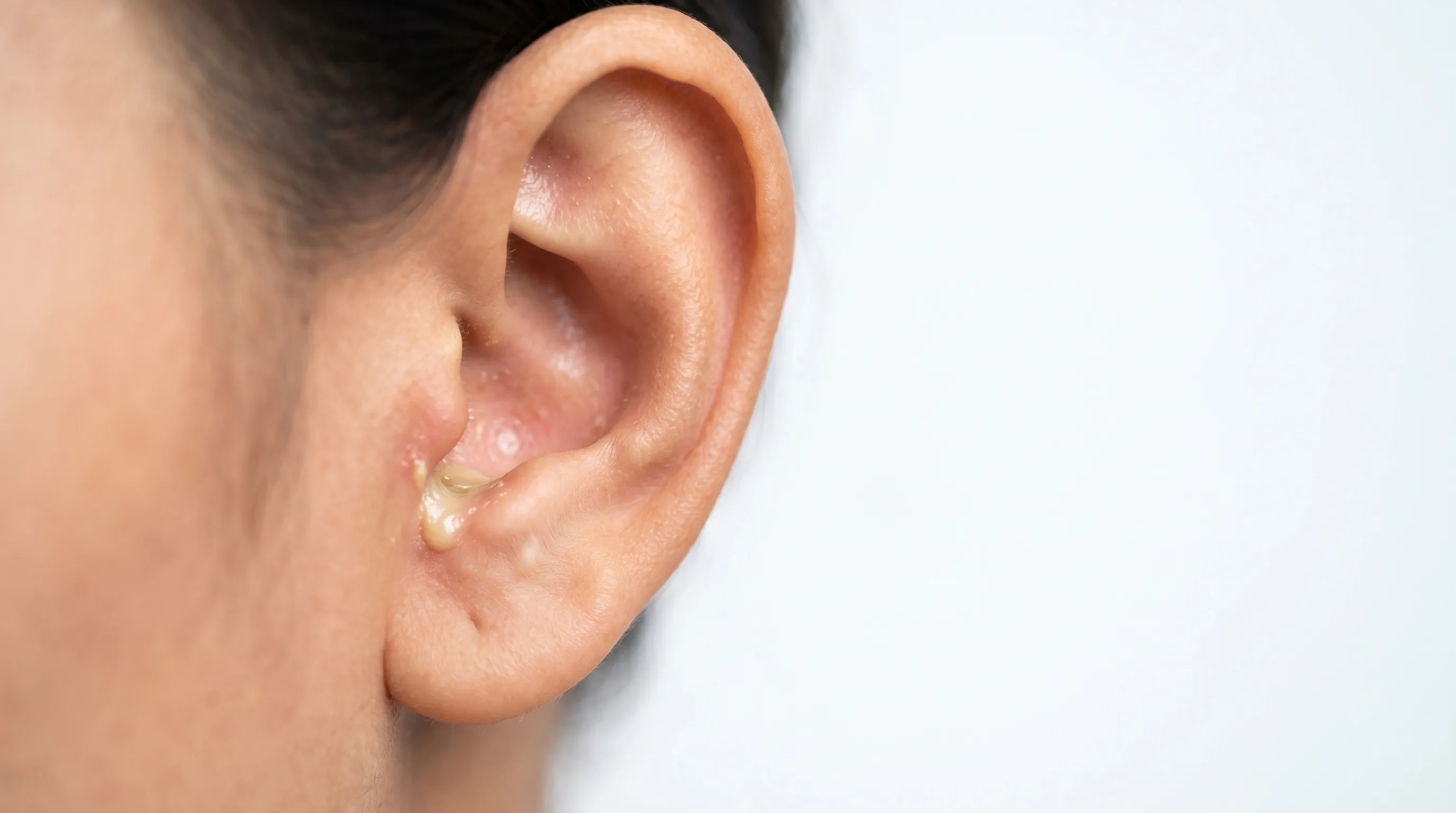
Ear discharge, also known as otorrhoea, can occur due to infections, inflammation or damage to the structures inside the ear. While occasional discharge may improve with appropriate medication, some people experience repeated episodes despite completing treatment.
The discharge may be watery, thick, yellowish, foul-smelling or sometimes mixed with blood. It may also occur along with hearing difficulties, ear pain or a feeling of blockage. When these symptoms keep returning, treating the infection alone may not address the underlying problem.
In certain cases, recurrent ear discharge can be associated with a persistent hole in the eardrum, chronic middle ear infection or cholesteatoma. These conditions may require surgical treatment, particularly when they damage the structures responsible for hearing.
Understanding the cause of recurring ear discharge is important for deciding whether medicines, regular monitoring or surgery is the most appropriate approach.
What Causes Ear Discharge That Keeps Returning?
The ear has three main parts: the outer ear, middle ear and inner ear. Discharge can originate from different areas, and the treatment depends on identifying its source.
Some common causes include:
Chronic Suppurative Otitis Media
Chronic suppurative otitis media is a long-standing infection of the middle ear associated with a perforation, or hole, in the eardrum. It can cause repeated or persistent discharge, sometimes with an unpleasant smell.
The discharge may increase when water enters the ear or during an episode of an upper respiratory infection. Hearing loss may also develop if the infection affects the small bones responsible for transmitting sound.
Persistent Eardrum Perforation
The eardrum separates the outer ear from the middle ear. A perforation can develop due to an infection, injury or previous ear surgery.
Although some perforations heal naturally, others remain open. This can allow water and bacteria to enter the middle ear, increasing the likelihood of repeated infections and discharge.
Cholesteatoma
A cholesteatoma is an abnormal collection of skin cells that develops in the middle ear or mastoid region. It is not a cancer, but it can gradually enlarge and damage nearby structures.
Common symptoms include:
- Recurrent foul-smelling ear discharge.
- Gradual hearing loss.
- A feeling of pressure or fullness in the ear.
- Occasional ear discomfort.
- Dizziness in some cases.
Cholesteatoma is an important cause of recurrent ear discharge because it generally requires surgical removal rather than treatment with ear drops alone.
Recurrent Outer Ear Infection
Otitis externa is an infection or inflammation of the ear canal. It may occur due to moisture, excessive cleaning, scratching or irritation of the ear canal.
Symptoms can include itching, pain, swelling and discharge. Repeated exposure to moisture or ongoing irritation may contribute to recurring episodes.
Fungal Ear Infection
Fungal infections of the ear canal, also called otomycosis, can cause itching, discomfort and discharge. Some people experience repeated infections, particularly when the ear remains moist or when inappropriate ear drops are used.
Treatment usually involves careful cleaning and prescribed antifungal medication. Surgery is rarely required for uncomplicated fungal infections.
When Should Recurrent Ear Discharge Be Taken Seriously?
An occasional ear infection may respond well to medication. However, repeated discharge should not be ignored, particularly when it is associated with hearing changes or an unpleasant smell.
Consult an ENT specialist if you experience:
- Ear discharge that returns after completing treatment.
- Persistent or foul-smelling discharge.
- Reduced hearing in one or both ears.
- Repeated ear pain or a feeling of fullness.
- Blood-stained discharge.
- Dizziness or balance-related problems.
Seek urgent medical attention if ear discharge occurs with severe headache, facial weakness, swelling or redness behind the ear, high fever or sudden hearing loss. These symptoms may indicate a complication that needs prompt assessment.
How Is the Cause of Recurrent Ear Discharge Diagnosed?
The ENT specialist evaluates the ear to identify the source of discharge, assess the eardrum and check for damage to the middle ear structures.
Otoscopic Examination
The doctor examines the ear canal and eardrum using an otoscope or an operating microscope.
This helps identify:
- Eardrum perforations.
- Signs of infection or inflammation.
- Abnormal tissue or debris.
- Retraction pockets that may be associated with cholesteatoma.
In some cases, the ear may need careful cleaning before the examination can be completed.
Hearing Assessment
An audiometry test measures hearing ability and helps determine whether the condition has affected sound transmission.
If the small bones of the middle ear are damaged, conductive hearing loss may occur. The results help guide treatment planning.
Ear Discharge Culture
When discharge is persistent or does not respond to standard treatment, a sample may be collected for laboratory testing.
A culture can help identify the microorganisms responsible and determine which medicines may be effective.
CT Scan of the Temporal Bone
A CT scan may be recommended when cholesteatoma, bone erosion or other structural abnormalities are suspected.
It provides detailed images of the middle ear and mastoid bone, helping the surgeon assess the extent of disease and plan treatment.
MRI Scan
In selected cases, an MRI, particularly a specialised diffusion-weighted MRI, may help detect or assess cholesteatoma. It can also be useful during follow-up after surgery.
Not every patient needs all these investigations. The choice depends on the examination findings and suspected diagnosis.
Can Recurrent Ear Discharge Be Treated Without Surgery?
Yes. Many causes of ear discharge can be managed with medication and appropriate ear care.
Depending on the diagnosis, treatment may include:
- Prescribed antibiotic ear drops for bacterial infections.
- Antifungal medication for fungal infections.
- Careful cleaning of the ear canal by an ENT specialist.
- Keeping the ear dry during treatment.
- Managing associated nasal or upper respiratory conditions when relevant.
Patients should avoid putting oil, home remedies or unprescribed drops into the ear, particularly when an eardrum perforation is suspected. Some ear drops may be unsafe when the eardrum is not intact.
However, if the discharge keeps returning because of a structural problem, medication may only provide temporary relief. In such situations, surgery may be considered.
When Is Surgery Considered for Recurrent Ear Discharge?
Surgery is not required for every person with repeated ear infections. It is generally considered when the underlying condition cannot be adequately managed with medication or when there is a risk of progressive damage.
Persistent Eardrum Perforation
If a hole in the eardrum does not heal and causes repeated infections or hearing difficulties, surgery may be recommended.
Tympanoplasty is a procedure used to repair the eardrum. The surgeon generally uses a small graft of the patient's own tissue to close the perforation.
The aim is to create a protective barrier between the outer and middle ear and, where possible, improve hearing.
Cholesteatoma
Cholesteatoma usually requires surgical removal because it can gradually damage the surrounding bones and other important structures.
Depending on its extent, the surgeon may recommend:
- Tympanomastoid surgery: Removes disease from the middle ear and mastoid region.
- Mastoidectomy: Removes affected air cells within the mastoid bone.
- Tympanoplasty: Repairs the eardrum when required.
The main objective is to remove the disease and create a safe, dry ear. Hearing reconstruction may be performed during the same procedure or at a later stage, depending on the extent of damage.
Damage to the Middle Ear Bones
The three small bones in the middle ear, called the ossicles, help transmit sound to the inner ear. Chronic infection or cholesteatoma can damage these structures.
In selected patients, a procedure called ossiculoplasty may be performed to reconstruct the sound-conducting mechanism using suitable prosthetic materials or the patient's own tissue.
Persistent Disease Despite Medical Treatment
If an infection continues to recur despite appropriate medication and cleaning, the ENT specialist may investigate whether a structural abnormality or persistent disease is responsible.
Surgery may be advised when examination and imaging findings indicate that an operation is needed to control the condition or prevent further complications.
What Are the Risks of Delaying Surgery When It Is Needed?
The risks depend on the underlying condition. A persistent eardrum perforation may continue to cause infections and hearing problems. Untreated cholesteatoma can progressively erode the small ear bones and nearby structures.
In advanced cases, complications may include:
- Worsening hearing loss.
- Damage to the facial nerve, which controls facial movements.
- Inner ear involvement and balance problems.
- Infection spreading to surrounding structures.
- Rarely, serious complications such as meningitis or an intracranial abscess.
Not every patient with recurrent discharge will develop these complications. However, identifying and treating the underlying condition at the right time can reduce the risk of further damage.
What Is Recovery Like After Ear Surgery?
Recovery varies depending on the procedure, the extent of disease and the patient's overall health.
After surgery, patients may experience temporary ear fullness, mild discomfort or a blocked sensation. Some procedures involve packing inside the ear canal, which is removed during follow-up.
General recovery guidance may include:
- Keep the operated ear dry as advised by the surgeon.
- Avoid swimming until the ear has healed and clearance is given.
- Avoid forceful nose blowing during the initial recovery period.
- Use prescribed medicines and ear drops as directed.
- Attend follow-up visits to monitor healing and hearing.
- Avoid inserting cotton buds or other objects into the ear.
Hearing improvement may take time and depends on the condition of the middle and inner ear. In cholesteatoma cases, long-term follow-up may be needed because the condition can sometimes recur.
When Should You Consult an ENT Specialist?
If ear discharge keeps returning despite treatment, it is important to look beyond the infection itself. A persistent eardrum perforation, cholesteatoma or damage to the middle ear structures may need a different treatment approach.
An ENT specialist can examine the ear, assess hearing and recommend investigations when necessary. Early evaluation is particularly important when discharge is foul-smelling or accompanied by hearing loss, dizziness or persistent pain.
Take Recurrent Ear Discharge Seriously
Repeated ear discharge is not always a simple infection. It may indicate an underlying structural problem that requires careful evaluation. While medicines can control many infections, conditions such as persistent eardrum perforation and cholesteatoma may require surgery.
At Dr. Vaibhav Kuchhal's ENT practice, patients can seek evaluation for recurring ear discharge, hearing concerns and other ear-related conditions. A diagnosis based on examination and appropriate investigations helps determine whether medical management or surgery is the right approach.
Frequently Asked Questions
Q: Why does ear discharge keep coming back after using ear drops?
A: Recurrent discharge may occur when an underlying problem, such as an eardrum perforation, chronic middle ear infection or cholesteatoma, remains untreated. An ENT examination can help identify the cause.
Q: Does a perforated eardrum always require surgery?
A: No. Some perforations heal naturally, while others remain open. Surgery may be considered when the perforation persists, causes repeated infections or affects hearing.
Q: Is cholesteatoma a serious ear condition?
A: Cholesteatoma is a non-cancerous growth of skin cells that can damage the small ear bones and nearby structures. It generally requires surgical removal and follow-up.
Q: Can recurrent ear discharge cause permanent hearing loss?
A: It can, particularly when chronic infection or cholesteatoma damages the middle ear bones or affects the inner ear. Early diagnosis and appropriate treatment can help reduce the risk of further damage.
Q: How do I know if I need surgery for recurrent ear discharge?
A: Surgery may be considered if there is a persistent eardrum perforation, cholesteatoma, damage to the middle ear bones or disease that does not respond adequately to medical treatment. The decision depends on the ENT examination and investigation findings.



Office Hours
Mon–Sat: Open 24 Hours
Sun: 8:00 AM–2:00 PM


©2026 | Garv Diagnostic Centre & Hospital | All Rights Reserved | Digital Marketing By Remedo